
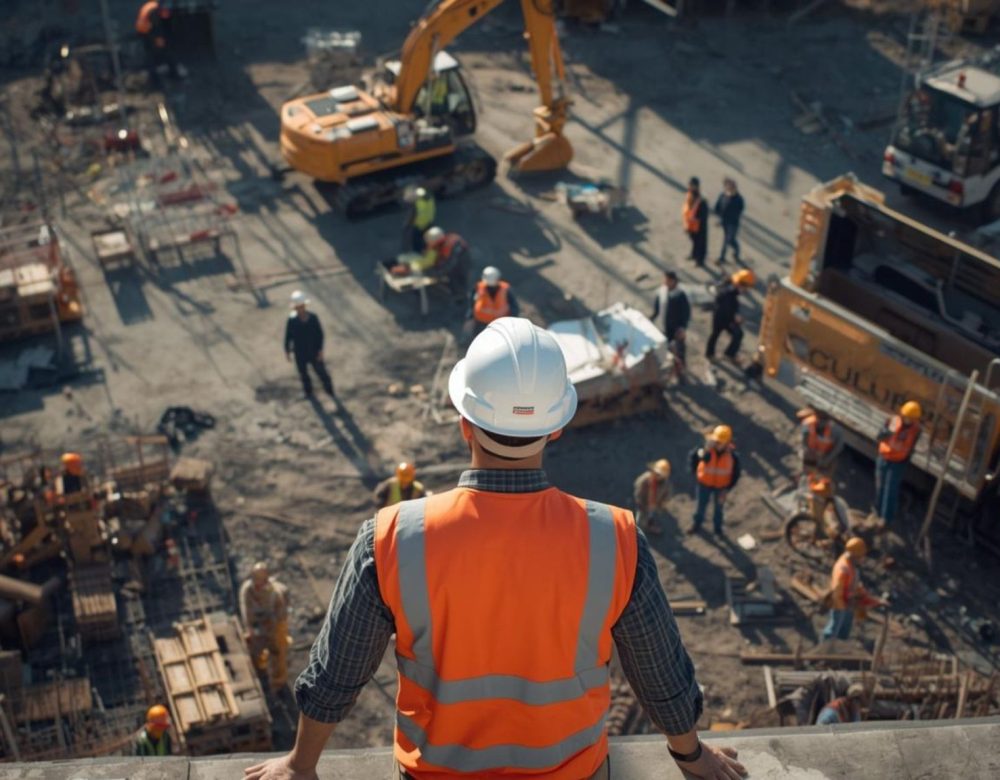
On almost every construction project, the general contractor sits at the center of activity. They coordinate crews, manage schedules, oversee safety, and keep the work moving. When everything goes smoothly, their work is often invisible. When something goes wrong, however, attention quickly turns to the contractor’s decisions, documentation, and oversight.
This is why general contractors are so often involved in a construction damage dispute. Whether the issue involves delays, cost overruns, or damage to utilities, their role in planning and coordination becomes a key focus. Attorneys, insurers, and project stakeholders frequently rely on technical experts to evaluate how the contractor’s actions contributed to the outcome.
Understanding the role of general contractors in project disputes is not just helpful. It is often essential for determining liability, explaining technical issues, and supporting a successful claim or defense.
Understanding the General Contractor’s Responsibilities
A general contractor is responsible for bringing the project from concept to completion. That means managing subcontractors, coordinating deliveries, keeping the schedule on track, and ensuring the work meets contract requirements. In practical terms, the contractor is the one who keeps all moving parts aligned.
On a typical jobsite, the contractor must balance multiple priorities at once. They must:
- Coordinate several trades working in the same area
- Maintain safety procedures and compliance
- Document daily activities and project changes
- Communicate with the owner and design team
When a dispute arises, the question often becomes simple: Did the contractor act reasonably under the circumstances? Answering that question usually requires a close look at schedules, field reports, safety practices, and subcontractor coordination.
In many cases, attorneys turn to professionals who provide construction discovery expert services to review these records and provide an objective opinion. Their analysis can clarify whether the contractor met the expected standard of care.
Common Causes of Construction Damage Disputes
Construction disputes rarely come from a single mistake. More often, they develop from a series of decisions, miscommunications, or coordination failures. Because the general contractor manages the overall project, their actions often become central to the dispute.
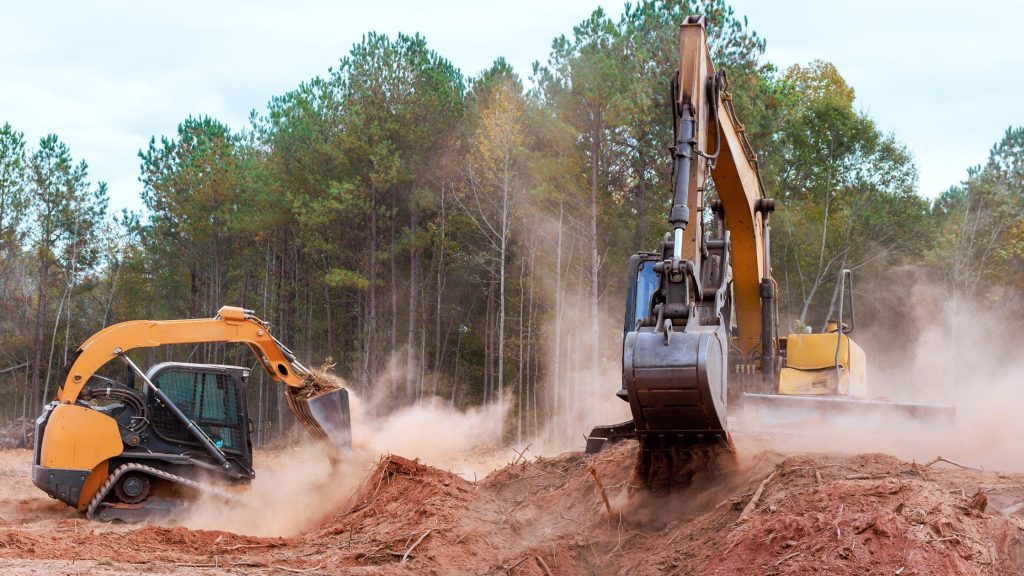
Project delays and scheduling conflicts
Delays are one of the most common sources of conflict. Perhaps a subcontractor was not scheduled at the right time, or materials did not arrive as planned. Maybe multiple trades were assigned to the same area, causing interference and lost productivity.
When delays translate into financial losses, claims often follow. Parties may argue that the contractor failed to properly manage the schedule or coordinate the work.
Scope changes and cost overruns
Construction projects rarely proceed exactly as planned. Owners request changes, field conditions differ from drawings, or design revisions occur mid-project. Each change can affect labor, materials, and timelines.
If these changes are not properly documented, disputes can arise over payment. One party may claim extra work was required, while another argues it was part of the original scope. These disagreements often become formal damage disputes.
Safety incidents and property damage
Accidents on a jobsite can cause major problems. A piece of equipment may strike an adjacent structure, or improper procedures may lead to a collapse or equipment failure. When this happens, investigators often examine the contractor’s safety program and site supervision.
Subcontractor performance issues
General contractors rely heavily on subcontractors to perform specialized work. But what happens when a subcontractor falls behind, performs defective work, or fails to follow safety procedures? The general contractor is often held responsible for supervision and coordination, making them a central figure in the dispute.
General Contractor Liability in Utility and Infrastructure Damage
Some of the most complex disputes involve damage to underground or above-ground utilities. Projects that affect cable TV, telecommunications, fiber optic, or electrical systems carry significant risk. A single strike to a major line can interrupt service, trigger expensive repairs, and lead to substantial claims.
Responsibilities for locating and protecting utilities
Before excavation begins, contractors are typically required to arrange for utility locates and review project plans. They must also ensure that crews follow safe digging practices. If these steps are skipped or performed incorrectly, the risk of damage increases dramatically.
Imagine a trenching operation where markings were unclear or ignored. A backhoe operator strikes a fiber optic line, cutting off service to a commercial area. The resulting claim may involve repair costs, business interruption losses, and contractual penalties. In such a case, investigators will closely examine the contractor’s procedures.
Fiber optic, cable, and electrical damage scenarios
Utility damage often involves:
- Severed fiber optic lines during trenching
- Damaged electrical conduits from heavy equipment
- Telecommunications cable strikes during directional drilling
Each scenario raises important questions. Were the utilities properly located? Were safe excavation practices followed? Did the contractor coordinate effectively with utility owners?
In many cases, professionals providing heavy equipment damage dispute analysis are brought in to reconstruct events and evaluate responsibility.
Coordination failures that lead to disputes
Utility damage often stems from breakdowns in communication. Perhaps the markings were outdated, or the contractor failed to hold a pre-excavation meeting. Sometimes subcontractors proceed without confirming utility locations.
These coordination failures may seem minor at first, but they can lead to significant liability when critical infrastructure is involved.
Contractual Obligations and Risk Allocation
Every construction project is governed by a contract, and those documents often determine how disputes unfold. The prime contract defines the general contractor’s duties, risk allocation, and procedures for handling changes or delays.
Some of the most important provisions include:
- Scheduling obligations that define completion deadlines
- Change order procedures for extra work
- Notice requirements for delays or differing conditions
- Indemnification clauses that shift risk between parties
If a contractor fails to follow these provisions, it can weaken their position in a dispute. For example, failing to provide timely notice of a delay may prevent recovery for additional costs.
In complex cases, expert witnesses may analyze contracts, schedules, and project records to determine how risk was assigned. Services such as civil, heavy, and underground construction damage expert witness analysis often play a critical role in these evaluations.
The Role of Expert Witnesses in General Contractor Disputes
Construction disputes often involve technical questions that are difficult for non-specialists to interpret. What caused the delay? Was the excavation performed correctly? Did the contractor meet industry standards? These questions are where expert witnesses become essential.
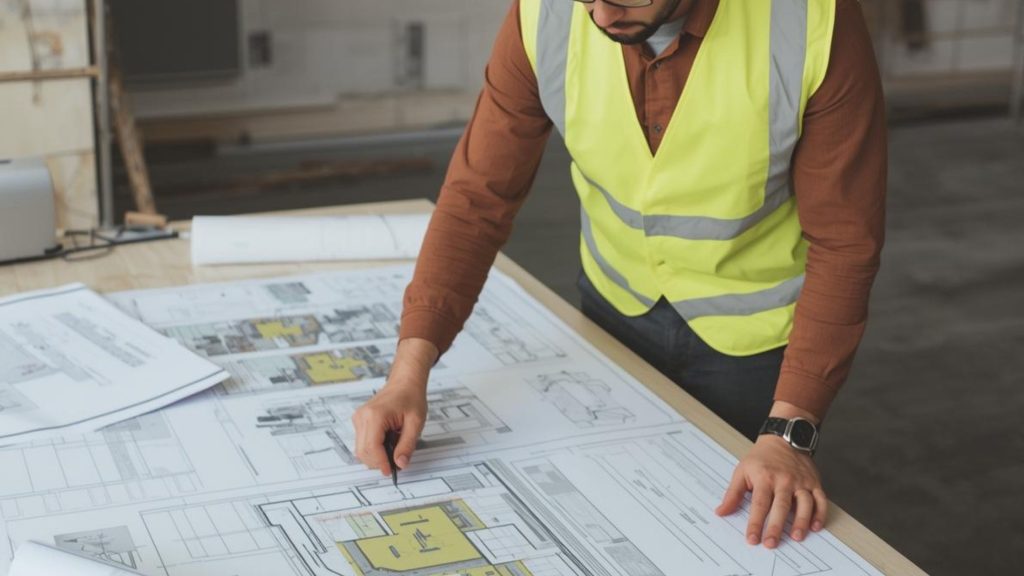
Determining the standard of care
Experts compare the contractor’s actions to accepted industry practices. They look at safety procedures, scheduling methods, and supervision practices to determine whether the contractor acted reasonably.
Analyzing project records and schedules
Project documentation tells the story of what happened on the jobsite. Daily reports, schedules, emails, and change orders can reveal patterns of delay or coordination problems. Experts review these materials to identify key decision points.
Establishing causation and damages
Perhaps the most important question in a dispute is causation. What specific actions led to the damage or delay? Expert witnesses connect technical evidence to the resulting losses, helping courts and insurers understand the sequence of events.
Resolving Construction Disputes Involving General Contractors
Not every dispute ends up in a courtroom. Many are resolved through negotiation or mediation, especially when technical issues are clarified early. In other cases, arbitration or litigation becomes necessary.
Early involvement from a qualified expert can make a significant difference. Clear technical analysis often helps parties understand their positions, narrow the issues, and reach a practical resolution.
For attorneys and insurers handling a damage dispute involving a general contractor, experienced technical support can be the difference between uncertainty and clarity. If you need expert analysis or testimony, contact Discovery Experts to discuss your case and next steps.