

Fleet management failures and legal claims are not just operational headaches. In construction and transportation environments, they can quickly turn into serious legal and financial problems. Think about how many moving parts are involved on a typical jobsite. Dump trucks are cycling in and out, forklifts are moving materials, cranes are lifting loads, and support equipment like generators and trailers are constantly in use. When even one piece of that system breaks down, the consequences can ripple far beyond the initial incident.
It is rarely just about a machine failing. More often, it raises bigger questions. Was the equipment properly maintained? Were operators trained and supervised? Were safety procedures actually followed in the field? These are the kinds of questions that attorneys, insurers, and contractors need answered when disputes arise.
This is where fleet management failures and legal claims become complex. They sit at the intersection of operations, safety, and legal responsibility. In many cases, resolving these disputes requires more than reviewing paperwork. It may involve field evaluations, equipment assessments, and expert insight. Services such as transportation and warehouse site inspection often play a key role in understanding what actually happened on the ground.
Introduction to Fleet Management Failures and Legal Claims
Fleet management is often misunderstood as a purely administrative function. In reality, it is one of the most critical components of safe and efficient operations. It covers everything from preventive maintenance and inspections to operator training, compliance, and real-time oversight. In construction and logistics settings, this includes a wide range of equipment such as excavators, skid steers, cranes, trenchers, compactors, and delivery vehicles.
So what happens when these systems break down? At first, it may seem like a simple issue. A forklift tips over. A truck breaks down mid-project. A crane is taken out of service unexpectedly. But when you dig deeper, these events often reveal underlying issues like missed inspections, deferred maintenance, or unclear accountability.
That is why fleet management failures and legal claims rarely exist in isolation. They are usually symptoms of broader operational gaps. And once a claim is filed, every detail matters. Documentation, procedures, and decision-making processes all come under scrutiny. This is especially true in construction disputes, where multiple parties may share responsibility.
Common Causes of Fleet Management Failures
Poor Vehicle Maintenance and Inspection Practices
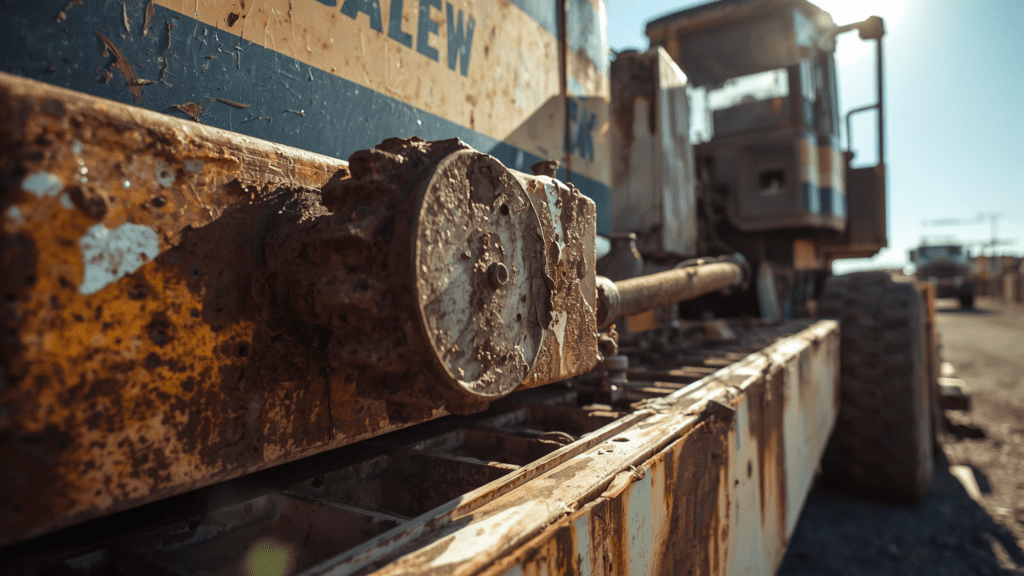
One of the most frequent contributors to fleet-related claims is poor maintenance. It sounds simple, but it is often overlooked in fast-paced project environments. Equipment like bulldozers, loaders, rollers, and trailers operate under heavy stress. Without consistent inspections and servicing, small issues can escalate into major failures.
Consider a scenario where a dump truck experiences brake failure. On the surface, it may look like an unavoidable mechanical issue. But a closer review might show that routine inspections were skipped or that known defects were not addressed in time. Suddenly, the issue is no longer mechanical. It becomes a question of negligence.
Maintenance records can either protect a company or expose it. In legal disputes, they often serve as a timeline of what was done, what was missed, and what should have happened.
Inadequate Driver Training and Supervision
Even well-maintained equipment can become dangerous in the wrong hands. Training and supervision are just as important as maintenance. Operating a forklift, crane, or vacuum truck requires more than basic familiarity. It requires situational awareness, adherence to safety protocols, and an understanding of site-specific risks.
What happens when those standards are not met? Operators may take shortcuts, overlook hazards, or misuse equipment. Supervisors may fail to intervene or even notice unsafe behavior. Over time, these gaps increase the likelihood of incidents.
A common mistake is assuming experience equals competency. In reality, even experienced operators need ongoing training and oversight. Without it, companies expose themselves to unnecessary risk and potential claims.
Failure to Meet Safety and Regulatory Compliance
Compliance is another major factor in fleet management failures and legal claims. Most companies have safety policies and procedures in place. The challenge is making sure those policies are actually followed in the field.
For example, inspection checklists may exist for equipment like backhoes or boom trucks, but are they completed consistently? Are defects reported and addressed promptly? Are records maintained accurately? When the answer to any of these questions is no, the risk increases significantly.
From a legal perspective, compliance failures can weaken a company’s position. It becomes harder to argue that reasonable care was taken when documentation is incomplete or inconsistent. In many cases, these gaps become central to the dispute.
Legal Liability and Claims Arising from Fleet Failures
Types of Legal Claims in Fleet Management
Fleet-related issues can lead to a wide range of legal claims. These may include personal injury, property damage, contract disputes, and even wrongful death claims. In construction environments, a single incident can involve multiple parties, each with their own perspective and potential liability.
For instance, imagine a crane failure on a busy jobsite. The equipment owner, operator, contractor, and site manager may all be drawn into the dispute. Each party may argue that someone else was responsible. Sorting through these claims requires a detailed understanding of both operations and contractual obligations.
There are also financial claims tied to delays. If a critical piece of equipment fails and halts progress, the resulting costs can be significant. These disputes often hinge on whether the failure was preventable.
Determining Fault and Responsibility
Determining fault is rarely straightforward. It is not just about identifying who was involved. It is about understanding who was responsible for what. Who maintained the equipment? Who operated it? Who supervised its use? What procedures were in place?
Answering these questions requires a careful review of records and site conditions. This is where expert analysis becomes essential. Through transportation and warehouse incident analysis, professionals can reconstruct events and identify contributing factors.
Sometimes the root cause is not what it first appears to be. What looks like operator error may actually be tied to poor maintenance or inadequate supervision. Without a thorough investigation, these nuances can be missed.
Insurance Disputes and Financial Implications
Insurance disputes often follow fleet-related incidents. Carriers may question whether proper maintenance was performed or whether policies were followed. If documentation is lacking, claims may be denied or reduced.
The financial impact can extend beyond repair costs. Companies may face downtime, lost productivity, legal expenses, and reputational damage. In competitive industries, these consequences can be difficult to recover from.
This is why strong documentation and compliance are not just operational best practices. They are also critical risk management tools.
The Role of Accident Investigation and Expert Witness Services

Forensic Analysis and Root Cause Investigation
When a dispute arises, a detailed investigation is often necessary. This goes beyond surface-level observations. It involves examining equipment condition, reviewing maintenance records, analyzing site conditions, and understanding how the incident unfolded.
For example, a forklift collision may initially appear to be operator error. However, further analysis might reveal poor site layout, obstructed visibility, or inadequate traffic control. These contributing factors are crucial in determining liability.
Root cause analysis helps answer the most important question: could this have been prevented? Identifying the answer can significantly influence the outcome of a claim.
Expert Witness Testimony in Litigation
In many cases, expert testimony plays a key role in resolving disputes. Experts provide an objective perspective based on technical knowledge and field experience. They help translate complex operational issues into clear, understandable insights for legal proceedings.
Whether in court, arbitration, or mediation, expert input can clarify what went wrong and why. It can also challenge assumptions that are not supported by evidence. Services like transportation and warehouse litigation support are often critical in these situations.
Ultimately, expert analysis helps ensure that decisions are based on facts rather than speculation.
Preventing Fleet Management Failures and Reducing Legal Risks
Implementing Strong Maintenance and Safety Programs
Prevention is always better than reaction. Strong maintenance and safety programs are the foundation of effective fleet management. This includes regular inspections, timely repairs, and clear documentation.
Companies should also tailor their programs to their specific operations. A fleet that includes cranes, loaders, and trenching equipment will have different needs than one focused on delivery vehicles. Recognizing these differences is key to managing risk effectively.
Consistency is what makes these programs work. Policies alone are not enough. They must be applied consistently in the field.
Training, Monitoring, and Technology Integration
Modern technology offers valuable tools for fleet management. GPS tracking, telematics, and digital inspection systems can provide real-time insights into equipment use and condition. These tools can help identify potential issues before they lead to incidents.
However, technology is only as effective as the people using it. Training and supervision remain essential. Operators and managers need to understand how to interpret data and take appropriate action.
When used correctly, technology can enhance both safety and accountability.
Compliance with Industry Regulations and Best Practices
Adhering to industry standards and regulations is another critical aspect of risk management. This includes maintaining accurate records, conducting regular audits, and ensuring that all procedures are followed.
In complex projects, where multiple contractors and equipment types are involved, maintaining consistency can be challenging. But it is also where strong compliance systems provide the greatest value.
In some cases, disputes may be resolved more efficiently through alternative dispute resolution services, especially when both parties seek a practical and timely outcome.
Why Expert Analysis Is Critical in Fleet-Related Legal Claims
Fleet-related disputes often involve multiple layers of complexity. Without expert analysis, it can be difficult to separate fact from assumption. Technical evaluations help clarify what actually happened and why.
Experts also bridge the gap between operations and legal standards. They provide insights into whether actions were reasonable and consistent with industry practices. This can be a deciding factor in many cases.
In short, expert analysis brings clarity to complex situations. It allows attorneys, insurers, and companies to make informed decisions based on evidence.
Conclusion: Addressing Fleet Management Failures with Expert Support
Fleet management failures and legal claims are rarely simple. They often involve a combination of equipment issues, human factors, and management decisions. Understanding these elements is key to both preventing incidents and resolving disputes.
By investing in strong maintenance programs, effective training, and reliable documentation, companies can reduce their exposure to risk. When issues do arise, expert analysis can provide the clarity needed to move forward.
If you are dealing with a fleet-related dispute or need expert insight into equipment operations, contact Discovery Experts for professional consultation and support. Their experience in construction, transportation, and litigation support makes them a valuable resource in complex claims.