
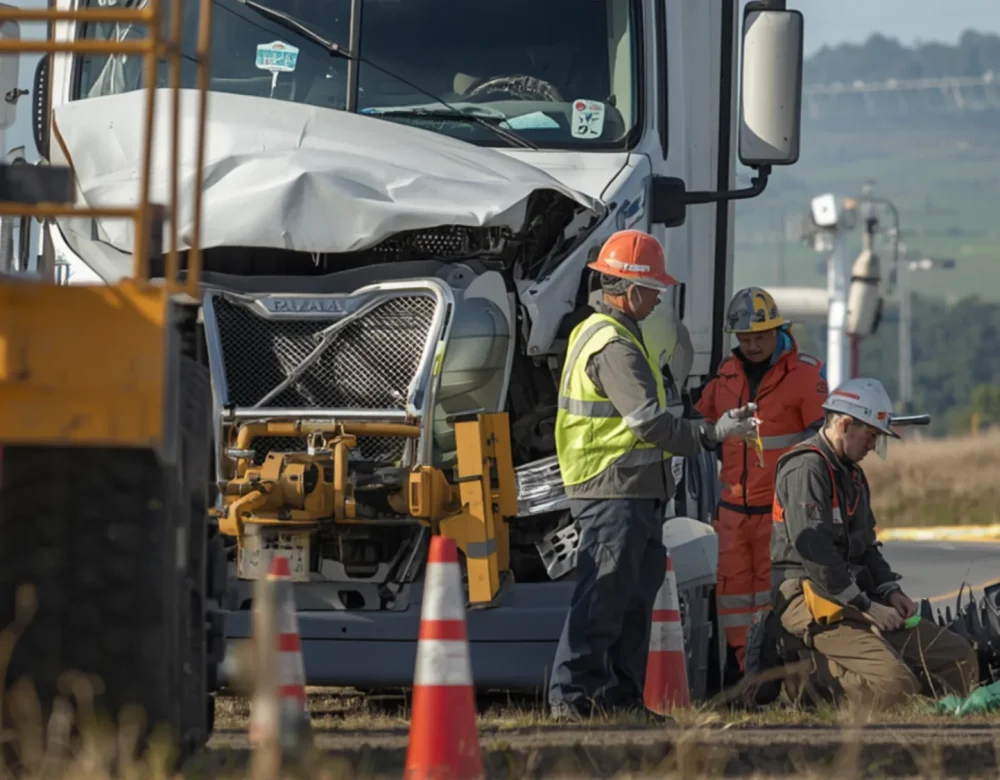
Vehicle and equipment inspection in transportation litigation is not just a technical task. It is often the turning point in a case. When something goes wrong involving a dump truck, crane, forklift, trailer, or other heavy equipment, the immediate question is simple: what caused it? But the answer is rarely simple. Was it operator error, poor maintenance, defective parts, or something else entirely?
In real-world disputes, these questions carry serious financial and legal consequences. A single failure involving a loader, boom truck, or generator can lead to injury claims, project delays, or contract disputes. That is why inspections are not treated as routine checkups. They are detailed investigations designed to uncover facts that can stand up in court.
Many legal teams turn to professionals who specialize in both machinery and litigation. Working with a transportation and warehouse expert witness ensures that inspection findings are not only accurate but also presented in a way that supports legal arguments. In transportation litigation, evidence is everything, and inspections often provide the clearest picture of what actually happened.
So why does this matter so much today? As construction and logistics operations become more complex, the margin for error gets smaller. Equipment is used harder, timelines are tighter, and expectations are higher. When something fails, the investigation must be thorough, credible, and defensible.
Understanding the Role of Vehicle and Equipment Inspection in Transportation Litigation
At its core, vehicle and equipment inspection in transportation litigation is about uncovering the truth. It goes far beyond a basic maintenance review. Instead of asking whether a machine is operational, the focus shifts to a deeper question: was this equipment safe and properly maintained at the time of the incident?
Consider a scenario involving a cement truck involved in a roadway accident. At first glance, it may appear to be a driver-related issue. But after a closer inspection, you might discover uneven brake wear, fluid leaks, or steering issues that affected control. Suddenly, the case is no longer just about the driver. It becomes a broader discussion about maintenance practices and responsibility.
This is where inspections become powerful. They help separate assumptions from facts. In cases involving equipment like excavators, skid steers, trenchers, or trailers, even small mechanical issues can have a major impact. A worn hydraulic line or a compromised structural component might not seem significant until it contributes to a failure.
More importantly, inspections help clarify responsibility. In transportation and construction disputes, multiple parties are often involved. Owners, operators, contractors, and maintenance providers may all play a role. A well-executed inspection provides a factual foundation that helps determine who is accountable and why.
The Role of Forensic Inspection and Expert Witness Analysis
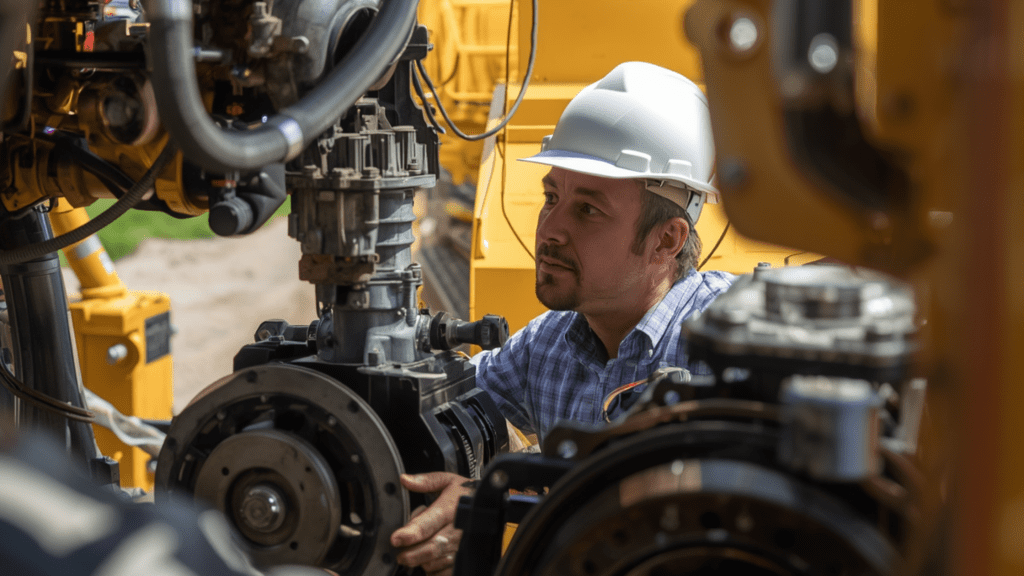
Not all inspections are created equal. A forensic inspection is very different from a routine service check. It is performed with one goal in mind: to analyze evidence in a way that supports legal findings. That means looking at failure patterns, wear conditions, and operational history in much greater detail.
For example, when inspecting a crane or boom truck after an incident, an expert does not just note visible damage. They ask deeper questions. Was the equipment overloaded? Were safety systems functioning correctly? Was there prior damage that went unaddressed? These details can completely change how a case is understood.
An experienced equipment inspection expert brings more than technical knowledge. They bring context. They understand how machines like bulldozers, compactors, reel trailers, and vacuum trucks are supposed to operate under normal conditions. When something deviates from that standard, they can explain why it matters.
In many cases, inspection findings are combined with broader case analysis. Legal teams often rely on a transportation and warehouse case review to connect technical evidence with witness statements, timelines, and claims. This creates a clearer, more complete picture of the incident.
Key Evidence Collected During Inspections
During a detailed inspection, experts focus on several critical areas. These are not random observations. Each one helps answer specific legal questions:
- Mechanical condition such as brakes, tires, hydraulics, and steering systems
- Structural integrity including frames, booms, and load-bearing components
- Maintenance history from service logs, repair invoices, and inspection records
- Operational data including telematics and usage patterns when available
- Compliance factors tied to safety standards and manufacturer guidelines
These findings are especially important when dealing with major equipment brands such as Caterpillar, Komatsu, John Deere, Volvo, or Case, where manufacturer specifications often play a role in determining proper use and maintenance expectations.
Common Causes of Litigation Involving Vehicles and Equipment
If you look across transportation litigation cases, certain patterns begin to emerge. Many disputes stem from issues that could have been prevented with proper oversight. One of the most common is fleet maintenance failure. When vehicles or equipment are not regularly inspected or serviced, the risk of breakdown increases significantly.
Take a commercial truck or trailer as an example. If brake systems are not properly maintained or tires are allowed to wear beyond safe limits, the consequences can be severe. In litigation, this often leads to questions about whether the owner knew or should have known about the issue.
Mechanical failures are another frequent cause. These can involve anything from hydraulic leaks in a backhoe to electrical issues in a generator or structural weaknesses in a crane. While some failures are unavoidable, many are tied to overlooked maintenance or improper repairs.
Then there is the human factor. Was the equipment used correctly? Was it overloaded or operated outside its intended limits? These questions often come up in disputes, and the answers are not always obvious. Inspection findings help separate operator error from equipment-related issues.
High-Risk Industries and Scenarios
Certain environments see these issues more often than others. High-risk scenarios typically include:
- Commercial trucking and roadway incidents
- Warehouse loading and unloading operations
- Construction site equipment failures
- Crane and lifting equipment incidents
- Underground and trenching support operations
In these settings, equipment is pushed to its limits, and even minor issues can escalate quickly. That is why thorough inspection and expert analysis are so critical.
The Vehicle and Equipment Inspection Process for Legal Cases
The inspection process does not happen all at once. It follows a structured approach that ensures nothing important is overlooked. It usually begins with a review of available information. This includes accident reports, photographs, maintenance records, and witness statements. At this stage, the goal is to understand the context before examining the equipment itself.
Next comes the physical inspection. This is where experts examine the actual vehicle or equipment, whether it is a forklift, dump truck, loader, or trailer. They document conditions carefully, often using photographs, measurements, and detailed notes. Timing is important here. The sooner the inspection takes place, the more reliable the findings tend to be.
In some cases, the environment also plays a role. Reviewing a heavy equipment site inspection can provide valuable context about terrain, access, and operating conditions. These factors can influence how and why an incident occurred.
After the inspection, the analysis phase begins. This is where all the information is brought together. Experts evaluate whether the evidence supports a particular cause and whether other contributing factors are involved. The final step is reporting. A well-prepared report explains findings clearly and ties them back to industry standards and legal questions.

The Importance of Compliance and Maintenance Documentation
Documentation often tells a story that equipment alone cannot. Maintenance logs, inspection records, and repair histories provide insight into how a vehicle or machine was managed over time. Were inspections performed regularly? Were issues addressed promptly? Or were problems ignored?
When documentation is complete and consistent, it can strengthen a defense. It shows that reasonable steps were taken to maintain safety. On the other hand, missing or inconsistent records can raise red flags. They may suggest that proper procedures were not followed, which can influence how liability is viewed.
This is especially true for high-use equipment like cranes, forklifts, generators, and trailers. These machines require ongoing attention. Without proper documentation, it becomes difficult to prove that they were maintained to an acceptable standard.
In many cases, compliance issues extend beyond the equipment itself. They may involve training practices, inspection protocols, or management oversight. This is why transportation litigation often requires a broader understanding of operational systems, not just individual machines.
Why Expert Inspection Matters in Transportation Litigation
At the end of the day, not all inspections carry the same weight. In legal settings, credibility matters. An inspection must be thorough, well-documented, and supported by clear reasoning. That is where experienced experts make a difference.
A qualified expert does more than identify problems. They explain them. They connect technical details to real-world impact. They answer questions that attorneys, judges, and juries need to understand. Why did this failure matter? Could it have been prevented? Who was responsible?
This level of clarity can shape the outcome of a case. It can influence settlement discussions, strengthen arguments, and provide confidence in decision-making. Without it, cases may rely too heavily on assumptions or incomplete information.
If you are involved in a transportation or equipment-related dispute, early expert involvement can make a significant difference. From preserving evidence to providing clear analysis, the right support can help you navigate complex issues with confidence. To learn more or discuss your case, contact Discovery Experts and connect with professionals who understand both the technical and legal sides of the industry.