
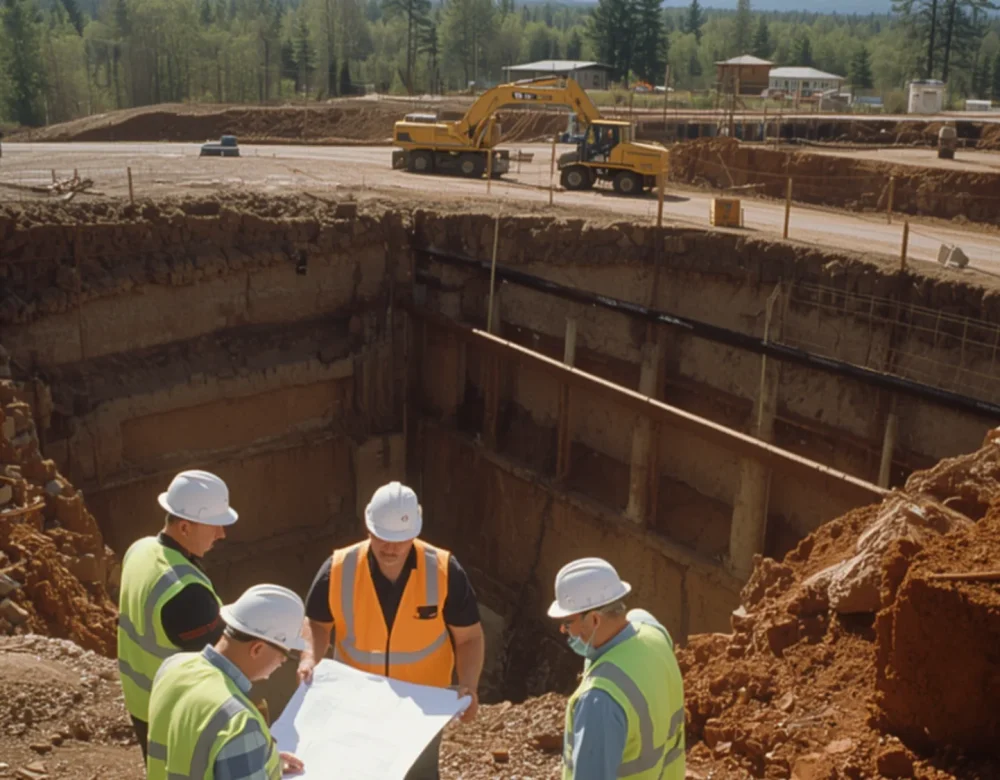
Every construction project is built on thousands of decisions. Some are planned months in advance, while others happen in real time when unexpected conditions arise in the field. But here is the critical question many project teams overlook until it is too late: what happens when one of those decisions leads to damage, delay, or failure?
Understanding how construction engineering decisions impact liability is essential for contractors, attorneys, insurers, and project owners alike. In civil, heavy, and underground construction, even a small judgment call can trigger major consequences. A miscalculated bore path, an overlooked utility conflict, or a rushed excavation plan can quickly evolve into a legal dispute involving multiple parties.
When that happens, the focus shifts from “what went wrong” to “who is responsible.” That is where technical expertise becomes invaluable. Through civil, heavy, underground construction testimony, experts can connect engineering decisions to real-world outcomes and explain whether those decisions met accepted industry standards.
Understanding How Construction Engineering Decisions Impact Liability
Construction engineering decisions are not just technical choices. They are legal turning points. Every decision made during planning, design, and execution carries a level of responsibility. When those decisions fail to account for foreseeable risks, liability often follows.
Think about a typical underground project. Crews may be working around fiber optics, electrical lines, gas mains, water systems, and telecommunications infrastructure, all within a confined space. If an engineer or project manager decides to proceed without verifying utility locations or reconciling conflicting data, the consequences can be immediate and severe. A single strike can disrupt service, damage property, and trigger costly claims.
Liability is often tied to one key concept: standard of care. Did the decision reflect what a reasonably competent professional would have done under similar circumstances? If the answer is no, that decision can become the foundation of a legal claim.
This is why detailed analysis matters. Firms like Construction Discovery Experts focus on evaluating not just outcomes, but the reasoning behind each decision. By examining documentation, field conditions, and industry practices, they help determine whether a decision was defensible or negligent.
Common Engineering Decisions That Lead to Construction Liability
Design Errors, Omissions, and Coordination Problems
Not all problems begin in the field. Many start on paper. Incomplete or inaccurate design documents are one of the most common sources of liability in construction projects. Missing utility data, incorrect elevations, or poorly coordinated plans can create confusion long before work begins.
For example, imagine a project where telecommunications conduit and electrical lines are shown inaccurately on the plans. If crews rely on that information and proceed without additional verification, the risk of damage increases significantly. When something goes wrong, the question becomes: should the discrepancy have been identified earlier?
Coordination issues between stakeholders can make matters worse. Owners, engineers, contractors, and subcontractors may all have access to different information. If those differences are not addressed, liability may extend across multiple parties.
Means, Methods, and Equipment Selection
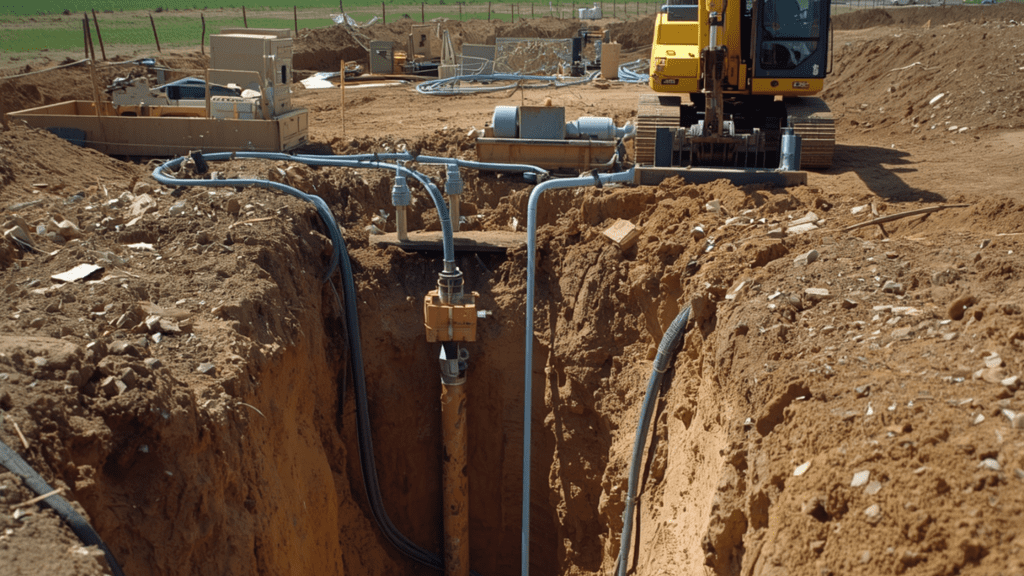
Field decisions are just as critical as design choices. Selecting the right construction method can mean the difference between a smooth operation and a costly failure. Techniques such as horizontal directional drilling, trenching, pipe ramming, or auger boring each come with unique risks.
Consider a scenario where directional drilling is used in unstable soil conditions without proper monitoring. The bore path may deviate, leading to unintended contact with existing utilities. Was the method appropriate? Were precautions taken? These are the types of questions that arise in litigation.
Equipment decisions also carry weight. Using the wrong crane configuration, excavation equipment, or support system can increase the likelihood of accidents or structural damage. In many cases, liability is not about whether equipment failed, but whether it was suitable for the job in the first place.
Safety and Compliance Decisions
Safety is where engineering decisions and legal responsibility often intersect most clearly. Choices related to trench protection, site access, traffic control, and utility exposure can directly impact worker safety and public risk.
When safety protocols are ignored or minimized, liability becomes much harder to defend. Documentation plays a critical role here. Daily reports, inspection logs, and safety records can either support a defensible position or expose gaps in planning and execution.
Common safety-related decision failures include:
- Inadequate trench protection systems
- Failure to verify underground utilities
- Poor site access planning
- Lack of communication between crews and supervisors
Each of these may seem minor in isolation, but together they can create significant exposure in a legal claim.
The Role of Expert Witnesses in Construction Liability Cases
When disputes arise, technical complexity often becomes a barrier. Judges, juries, and attorneys may not have the background needed to fully understand engineering decisions. This is where expert witnesses step in.
An experienced construction expert examines the full picture. They review project documents, site conditions, equipment usage, and communication records. Their goal is to answer a fundamental question: did the engineering decisions align with accepted industry practices?
Expert testimony goes beyond simply explaining what happened. It connects technical findings to legal standards. For example, an expert may demonstrate how a failure to properly locate utilities contributed directly to a fiber optic strike, or how improper excavation methods led to structural damage.

Discovery Experts provides expert witness services that help translate complex engineering issues into clear, credible testimony. This support is often critical during litigation, mediation, and arbitration.
In earlier stages of a dispute, case review services can help identify strengths, weaknesses, and key technical issues before positions become fixed.
Risk Mitigation Strategies in Construction Engineering
If liability often begins with poor decisions, then the solution lies in better ones. Proactive planning and disciplined execution can significantly reduce risk.
Start with thorough preconstruction review. This includes verifying utility data, analyzing site conditions, and identifying potential conflicts before work begins. In underground construction, where multiple systems overlap, this step is especially important.
During construction, decision-making should be deliberate and well-documented. When conditions change, teams should pause and evaluate options rather than reacting impulsively. A simple question can make a difference: do we have enough information to proceed safely?
Effective risk mitigation strategies include:
- Comprehensive utility verification and potholing
- Clear communication between all project stakeholders
- Detailed documentation of decisions and changes
- Regular inspections and quality control checks
These practices not only improve project outcomes but also create a strong defense if disputes arise.
Key Factors Courts and Claims Professionals Consider
When construction disputes reach litigation, the analysis becomes more structured. Courts and claims professionals focus on specific factors to determine liability.
One of the most important is the standard of care. Did the decision align with what a qualified professional would reasonably do? This is often evaluated through expert testimony and industry comparisons.
Another key factor is causation. It is not enough to show that a decision was flawed. There must be a clear connection between that decision and the resulting damage or loss. For example, did a poor excavation plan directly cause a trench collapse, or were other factors involved?
Responsibility is also examined. Construction projects involve multiple parties, each with defined roles. Determining who made the decision and who had authority over it is critical in assigning liability.
These evaluations require a careful balance of technical insight and legal reasoning. Without both, it becomes difficult to reach a fair and accurate conclusion.
Why Expert Analysis Is Critical in Construction Liability Disputes
At its core, how construction engineering decisions impact liability is about understanding cause and responsibility. In complex projects, the line between the two is not always obvious. Decisions are made under pressure, often with incomplete information, and the consequences may not be apparent until much later.
This is why expert analysis is so valuable. It brings clarity to complicated situations and helps all parties understand what truly happened. Whether the issue involves underground utilities, excavation methods, equipment use, or project coordination, expert insight can make the difference between assumption and evidence.
Discovery Experts combines real-world construction experience with litigation-focused analysis to support clients facing these challenges. Their work helps ensure that engineering decisions are evaluated fairly, accurately, and within the proper industry context.
If you are dealing with a construction dispute or need help understanding the technical factors behind a claim, now is the time to act. Contact Discovery Experts today at https://discoveryexperts.net/contact/ to discuss your case and get the expert support you need.