
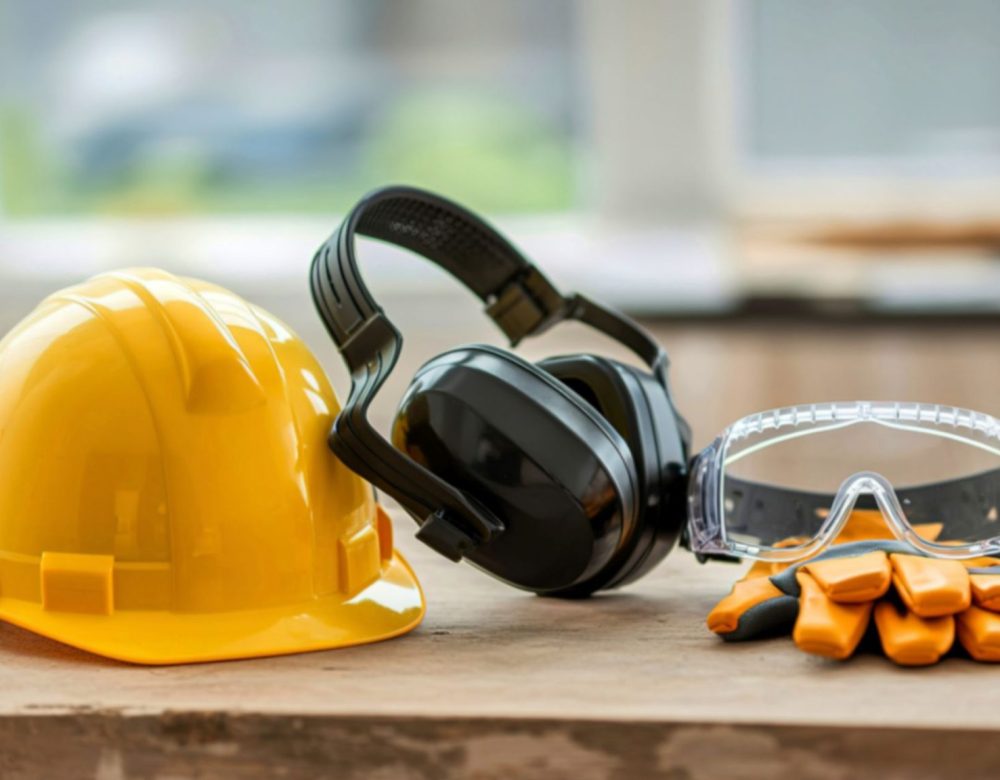
On any active job site, personal protective equipment is often the most visible sign of a company’s safety culture. Hard hats, high-visibility vests, safety glasses, respirators, gloves, and fall protection systems are not simply routine accessories. They are the frontline defense against life-altering injuries. Yet personal protective equipment (PPE) requirements are about more than checking a compliance box. They influence regulatory exposure, contractual responsibility, and ultimately, legal liability.
In heavy civil, underground construction, utilities, telecommunications, and fiber optic projects, risk is part of daily operations. Workers operate around energized systems, excavation hazards, moving equipment, and confined spaces. When an incident occurs, investigators and attorneys immediately begin asking critical questions. Was a proper hazard assessment performed? Was the correct PPE provided? Was it enforced? The answers often determine the outcome of OSHA citations, insurance claims, and litigation.
Understanding how PPE requirements function in practice is essential for contractors, project owners, insurers, and legal teams alike. Compliance must be deliberate, documented, and defensible.
Understanding Personal Protective Equipment (PPE) Requirements in Construction
Under OSHA regulations, particularly 29 CFR 1926, employers are required to evaluate workplace hazards and provide appropriate protective equipment at no cost to employees. This means that personal protective equipment (PPE) requirements begin with a documented hazard assessment. The assessment must identify foreseeable risks and match them to specific protective solutions.
For example, a worker installing fiber optic cable in an underground vault faces different hazards than a heavy equipment operator on a grading project. One may require respiratory protection and confined space safeguards. The other may require high-visibility garments and fall protection. PPE is not generic. It must be task-specific and risk-driven.
Common categories of PPE on construction sites include:
- Head protection to guard against falling or flying objects
- Eye and face protection for cutting, grinding, or exposure to debris
- Hearing protection in high-noise environments
- Respiratory protection in dusty or hazardous atmospheres
- Fall protection systems for elevated work
- Protective gloves and footwear for electrical or material handling risks
However, compliance extends beyond providing equipment. Employers must train workers, enforce usage, and maintain written records. In legal proceedings, documentation frequently becomes as important as the physical PPE itself. A missing hazard assessment or incomplete training record can significantly impact liability exposure.
The Role of Construction Site Inspection in PPE Compliance
PPE policies look good on paper. The real test occurs in the field. During a construction site inspection, inspectors assess whether PPE requirements are actively implemented or merely written into a safety manual.
Site inspections typically include a review of:
- Hazard assessment documentation
- Daily supervisory oversight
- Worker compliance in active operations
- Training records and toolbox talks
- Incident and near-miss reporting

It is not uncommon to find that PPE was technically available but inconsistently enforced. In multi-employer environments, confusion about responsibility can lead to gaps. Was it the general contractor’s duty to enforce respiratory protection? Or the subcontractors? These distinctions become critical when injuries occur.
Regular site inspection processes serve two important purposes. First, they reduce the likelihood of injury. Second, they create a defensible record of compliance. When disputes arise, inspection documentation often becomes central evidence in evaluating whether the standard of care was met.
PPE Requirements in Heavy Civil, Underground, and Utility Projects
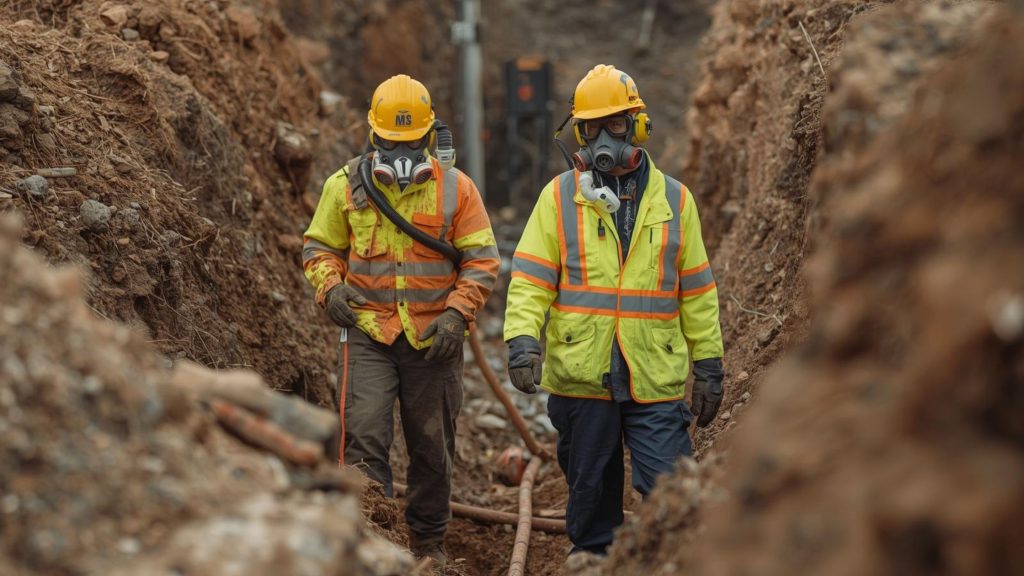
Heavy civil and underground construction environments introduce complex hazards that demand heightened attention to personal protective equipment (PPE) requirements. Trenching operations present cave-in risks and struck-by hazards. Underground vaults may contain hazardous atmospheres. Utility and telecommunications crews frequently work near energized systems or active roadways.
Consider a crew installing cable TV or fiber optic lines in a confined underground structure. Proper PPE may include respiratory protection, atmospheric monitoring equipment, gloves rated for electrical exposure, and high-visibility apparel for roadway work. Without strict adherence to these requirements, the risk of injury escalates quickly.
Similarly, electrical and utility workers must account for arc flash hazards and energized equipment. Protective clothing, insulated tools, and dielectric footwear are not optional. They are essential safeguards against catastrophic injury.
These environments highlight why PPE cannot be treated as routine. Each project demands a fresh hazard evaluation and continuous oversight. A single oversight, such as failing to require fall protection near an excavation edge, can lead to devastating consequences.
Legal and Financial Implications of PPE Non-Compliance
When a construction accident occurs, investigators immediately examine whether personal protective equipment (PPE) requirements were satisfied. OSHA citations may follow, but regulatory enforcement is only one piece of the puzzle. Civil litigation often probes deeper into safety culture, supervisory practices, and documentation.
In injury cases, attorneys frequently ask: Was the correct PPE selected? Was it properly maintained? Was the worker trained? Was compliance enforced? If documentation is incomplete, opposing counsel may argue negligence. On the other hand, if an employer can demonstrate consistent enforcement and training, liability exposure may be significantly reduced.
Expert analysis is often necessary to interpret these issues. Professionals providing litigation support and expert witness services review site conditions, safety programs, and contractual obligations to determine whether industry standards were met. This analysis often includes interviews, document review, and technical evaluation of regulatory requirements.
In complex cases involving serious injury or wrongful death, a qualified construction safety expert witness can clarify causation and help courts or arbitrators understand how PPE compliance relates to the incident. Objective findings grounded in construction practice and safety standards can materially influence outcomes.
Best Practices for Ensuring PPE Compliance and Risk Mitigation
Strong compliance programs share common characteristics. They are proactive rather than reactive. They prioritize documentation. And they integrate safety into daily operations rather than treating it as an afterthought.
Best practices include:
- Conducting detailed hazard assessments before work begins and updating them as conditions change
- Performing regular site inspections to verify enforcement
- Providing documented training tailored to specific job tasks
- Maintaining written records of enforcement actions and corrective measures
Contractors who implement these practices not only reduce injuries, they also strengthen their legal defensibility. A documented history of compliance demonstrates diligence and professionalism.
Why PPE Compliance Requires Expert Evaluation in Disputes
Construction projects rarely involve a single party. Owners, general contractors, subcontractors, and specialty trades often share the same work environment. Determining responsibility for personal protective equipment (PPE) requirements can become complicated quickly.
When disputes arise, a technical evaluation is necessary to untangle these responsibilities. Expert review examines contractual language, regulatory obligations, inspection records, and field conditions. The goal is to determine whether established safety standards were followed and whether alleged violations contributed to the incident.
Discovery Experts provides comprehensive construction site inspection, forensic analysis, and expert witness services for complex civil, heavy, and underground construction matters. Our evaluations are grounded in practical construction knowledge and regulatory expertise.
If you are facing a dispute, OSHA citation, or construction injury claim involving PPE compliance, timely expert evaluation is essential.
Contact Discovery Experts today to schedule a consultation and discuss how our team can assist with personal protective equipment (PPE) requirements analysis, safety inspections, and litigation support.
