
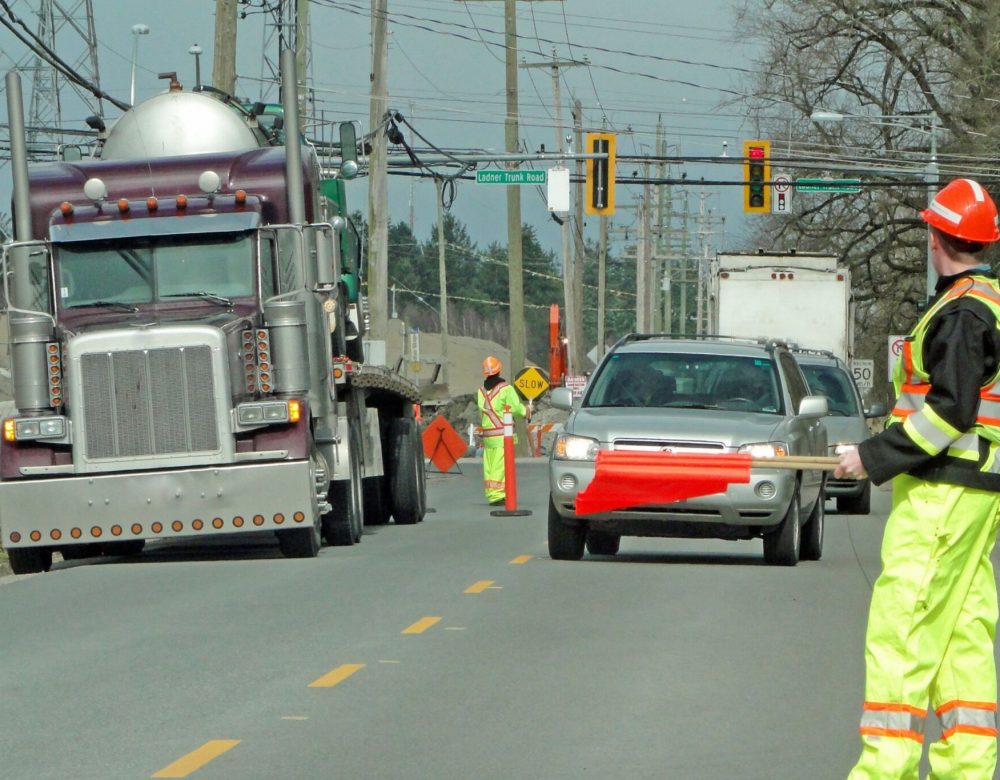
In the world of construction, few things are more important than keeping people safe. Whether it’s a busy roadway under repair or a deep excavation site surrounded by heavy machinery, safety traffic control is what stands between order and chaos. Every day, crews rely on well-planned systems to manage traffic, direct pedestrians, and maintain visibility in fast-changing environments. When those systems fail, the results can be costly and tragic. That’s why proper planning, expert oversight, and consistent compliance are not just regulatory checkboxes — they are the foundation of responsible construction management.
This article explores how safety traffic control supports civil, heavy, and underground construction projects. It also looks at how expert witness analysis helps uncover what went wrong when an incident occurs, ensuring accountability and stronger safety practices moving forward.
Understanding Safety Traffic Control in Construction Zones
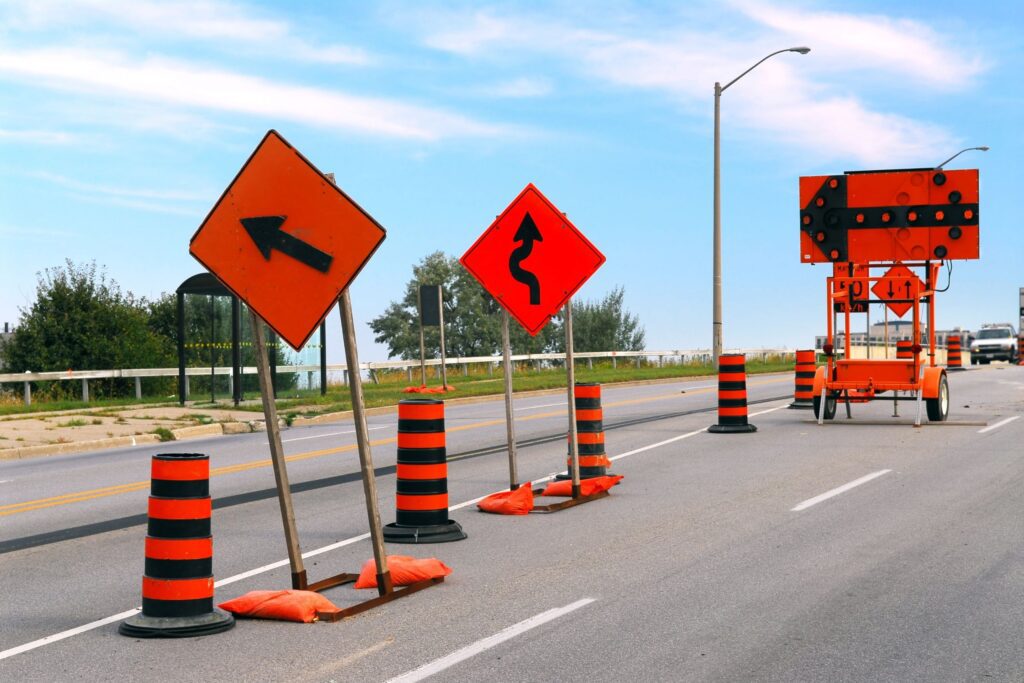
Safety traffic control is much more than cones and caution tape. It’s a carefully engineered system that helps vehicles, workers, and pedestrians move safely through construction areas. Each element — from warning signage to lane shifts and flaggers — serves a specific purpose. The goal is simple: reduce confusion and create a predictable flow for everyone in or near the work zone.
Standards like the Manual on Uniform Traffic Control Devices (MUTCD) and OSHA guidelines set the baseline for compliance. They dictate distances between signs, lighting requirements, and how barriers should be placed. For example, a lane closure on a highway must meet specific visibility and taper-length standards to prevent sudden driver reactions. Yet in practice, every site is unique, and applying these rules takes professional judgment and field experience.
For complex environments like civil or underground construction projects, traffic control becomes even more critical. Workers may be operating near live traffic, and small miscalculations in timing or positioning can lead to severe consequences. Increasingly, contractors use digital mapping tools, automated sensors, and smart barricade systems to improve safety outcomes.
The Role of Planning and Design in Work Zone Safety
Strong traffic control begins long before equipment arrives on-site. During the planning phase, engineers and safety managers must consider factors such as speed limits, detour routes, and work hours. The design of the plan can determine whether a project runs smoothly or exposes the team to unnecessary hazards. For example, a poorly placed detour could confuse drivers, leading to near-misses or collisions. Proper design not only prevents accidents but also reduces project delays, community complaints, and insurance claims.
Common Risks and Causes of Construction Traffic Incidents
Every year, construction-related traffic incidents result in injuries, equipment damage, and legal disputes. Through construction incident analysis, experts have identified recurring causes that often appear across different project types. These include:
- Improper or missing signage
- Inadequate lighting or poor visibility at night
- Confusing detours or lane closures
- Untrained or inattentive flaggers
- Failure to update plans as site conditions change
Human error and miscommunication also play major roles. When multiple subcontractors share responsibilities for site safety, it’s easy for critical details to fall through the cracks. One team might assume another handled the signage or flagging — and the result can be a preventable collision. For attorneys and insurers, understanding how these factors interact is essential when evaluating liability and negligence claims.
Case Example: Evaluating a Roadway Work Zone Incident
Imagine a multi-lane road reconstruction project where the taper length for a lane shift was set too short. A driver entering the zone at normal speed had little time to react, swerved, and struck equipment. During investigation, experts discovered that the traffic control plan didn’t comply with MUTCD spacing requirements. This single oversight became the key factor in determining liability. Examples like this highlight the real-world importance of consistent planning, training, and documentation.
Expert Witness Role in Safety Traffic Control Analysis
When a construction zone accident leads to litigation, an expert witness often plays a central role. These professionals are not just knowledgeable about regulations — they know how those standards apply in practical field conditions. Their job is to determine whether the site’s safety traffic control measures met industry norms and legal obligations.
During investigation, experts may analyze site photos, review project documentation, recreate traffic flow models, and compare the setup against MUTCD and OSHA requirements. They look for red flags such as missing signs, nonstandard cone spacing, or inadequate flagging procedures. Their findings can be pivotal in explaining to a jury or mediator what really caused the incident.
Discovery Experts has extensive experience providing heavy equipment and construction litigation support services. Their analysts bridge the gap between technical data and clear courtroom communication, helping legal teams understand not just what happened, but why it happened.
What Attorneys Should Expect from a Traffic Control Expert Witness
An experienced expert witness does more than interpret standards — they bring clarity to complex technical evidence. Attorneys should expect detailed written reports, high-quality visuals, and well-supported opinions grounded in real-world construction practice. In many cases, the expert’s ability to explain safety procedures in plain language can make or break a case. The best experts combine technical accuracy with relatable examples that resonate with judges and juries alike.

Safety Traffic Control Across Civil and Utility Sectors
While the principles of traffic control remain consistent, the challenges vary by industry. Work involving telecommunications, sewer, water, and natural gas utilities introduces different risk profiles compared to open-road construction. For example, underground utility crews may have only a few feet of workspace between live traffic and open trenches. Managing that proximity safely requires specialized barriers, real-time monitoring, and precise coordination.
In trenchless construction, where projects often occur below surface level, safety traffic control extends beyond vehicles to include pedestrian and material handling zones. Workers rely on clear marking and communication systems to prevent overlaps between excavation, equipment operation, and transport routes.
Heavy civil projects such as bridge repair or roadway widening also demand adaptive safety strategies. Traffic volumes fluctuate, weather impacts visibility, and multiple subcontractors may work simultaneously. Maintaining control under these conditions requires leadership, foresight, and strict adherence to approved control plans.
Integrating Traffic Control with Underground Utility Operations
Utility work zones are dynamic environments where conditions can change daily. Coordinating between city agencies, contractors, and utility providers is essential. Some contractors now use connected signage or GPS-linked devices to automatically alert drivers when workers are present. These proactive technologies, paired with strong safety culture, reduce risk while maintaining project momentum.
Best Practices for Preventing Work Zone Incidents
Preventing incidents is far easier — and far less expensive — than resolving them later. The best construction firms embed safety into their daily operations. That means not only posting a plan but living it every day on site. Supervisors should hold short pre-shift meetings, review the day’s traffic control setups, and empower workers to speak up if they see potential risks.
Here are a few proven practices that reduce risk:
- Conduct regular field audits of traffic control setups
- Maintain written documentation and photographs of site conditions
- Use IoT sensors or cameras to monitor active work zones
- Update traffic control plans immediately when field conditions change
Modern technology is becoming an invaluable ally. Drones can provide aerial safety audits, while smart barricades equipped with sensors send real-time alerts when moved or damaged. These tools not only help prevent accidents but also create verifiable records that support compliance and protect against legal exposure.
Aligning Field Practices with MUTCD and OSHA Standards
Documentation is a construction team’s best defense. Photos, inspection logs, and sign-off sheets verify compliance and demonstrate a commitment to safety. In the event of a claim, these materials often serve as critical evidence during expert review. Aligning site practices with MUTCD and OSHA requirements builds credibility and trust — both with regulators and within the workforce.
Conclusion: Strengthening Safety and Legal Defensibility
Strong safety traffic control is not optional — it’s essential to every successful construction project. By investing in thoughtful planning, continuous training, and expert review, companies protect their people and their reputation. Incidents may still occur, but their impact can be minimized when a clear, compliant, and well-documented control plan is in place.
Attorneys, insurers, and contractors seeking clarity after an incident can benefit greatly from the perspective of a qualified expert witness. Through objective analysis and data-driven insights, these professionals help determine root causes and establish accountability. For complex projects involving transportation, trenchless, or heavy civil work, expert consultation is often the difference between confusion and resolution.
To learn more about transportation and construction expert witness services, or to discuss a specific case, contact Discovery Experts today. Their team brings decades of field and courtroom experience to every analysis, helping ensure that every project — and every claim — is handled with professionalism, precision, and integrity.