
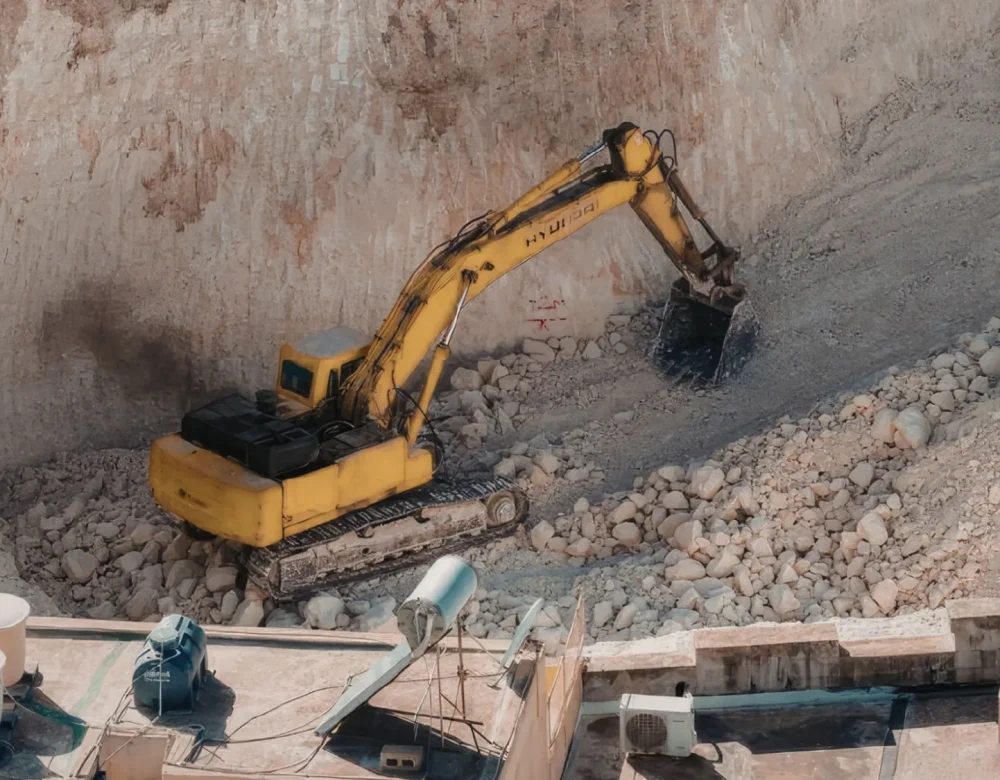
When people hear the phrase civil, heavy, and underground construction explained, it can sound overly technical or even intimidating. But in reality, these three areas represent the foundation of nearly every major infrastructure project we rely on daily. From highways and bridges to pipelines buried beneath our cities, each type of construction plays a critical role. The challenge is that they are often misunderstood, especially when problems arise.
Why does this matter? Because when projects go wrong, whether due to delays, defects, or unexpected site conditions, understanding the differences between these construction types becomes essential. Legal teams, contractors, and insurers frequently rely on specialists in construction expert witness services to break down what actually happened and why.
In this article, we will take a closer look at each construction type, explore how they differ, and explain why they are so often at the center of construction disputes.
Understanding Civil, Heavy, and Underground Construction
Let’s start with the basics. Civil construction is what most people picture when they think about infrastructure. It includes roads, highways, bridges, airports, and public works projects. These are typically funded by government agencies and built to serve large populations. Because of this, civil projects are heavily regulated and require strict adherence to safety and environmental standards.
Heavy construction takes things a step further. These projects are usually larger, more complex, and often tied to industrial or energy sectors. Think of dams, rail systems, or major earthmoving operations. Heavy construction demands specialized equipment and highly coordinated planning. A small misstep in sequencing or execution can have a ripple effect across the entire project.
Underground construction, on the other hand, operates largely out of sight but is no less important. This includes water lines, sewer systems, gas pipelines, and telecommunications networks. What makes underground work unique is the level of uncertainty involved. Contractors are often working in conditions they cannot fully see, which introduces a higher level of risk. It is no surprise that disputes in this area frequently require construction litigation support to sort out the details.
In many cases, these three sectors overlap. A highway project may involve civil design, heavy earthmoving, and underground utility installation all at once. That overlap is where complexity and risk begin to increase.
Key Differences Between Civil, Heavy, and Underground Construction Projects
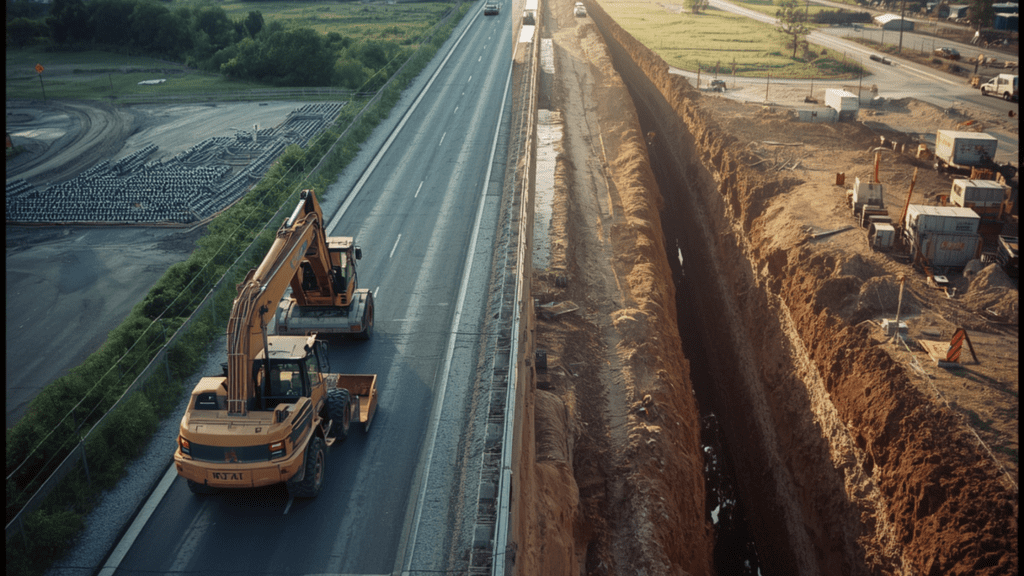
At first glance, these construction types may seem similar. However, the differences become clear once you look at scale, methods, and working conditions. Civil construction tends to focus on public infrastructure with visible outcomes. Heavy construction is defined by its size and engineering complexity. Underground construction, meanwhile, deals with hidden systems that require precision and careful planning.
One major difference is the equipment used. Civil projects rely on standard machinery for grading, paving, and structural work. Heavy construction uses massive equipment designed for large-scale operations. Underground construction introduces specialized tools such as drilling rigs and trenchless technology systems.
Another key factor is the environment. Civil projects often deal with traffic control and public interaction. Heavy construction may involve remote or extreme conditions. Underground construction brings its own set of challenges, including soil instability, groundwater, and existing utilities that may not be accurately mapped.
To put it simply:
- Civil construction focuses on public infrastructure
- Heavy construction emphasizes scale and engineering complexity
- Underground construction deals with subsurface systems and hidden risks
Understanding these differences is not just helpful. It is essential when evaluating project performance or identifying the root cause of a problem.
Common Risks, Challenges, and Construction Disputes
No construction project is without risk, but the type of risk often depends on the nature of the work. In civil construction, defects might involve structural issues or material failures. In heavy construction, problems often stem from equipment misuse or poor sequencing. Underground construction introduces a different level of uncertainty, where even small errors can lead to major consequences.
One of the most common issues across all three sectors is delay. Projects rarely go exactly as planned. Weather, unforeseen site conditions, and coordination breakdowns can all push timelines beyond expectations. When that happens, disputes over responsibility and cost quickly follow. This is where services like construction delay analysis become critical in determining what caused the delay and who is accountable.
Another major concern is cost overruns. A project that starts within budget can quickly escalate if problems are not addressed early. Miscommunication, design changes, and inaccurate site data are all common contributors. In underground construction, unexpected utility conflicts are a frequent source of added cost.
Safety is also a significant issue. Consider what happens when an underground gas line is accidentally struck. The result can be dangerous, expensive, and legally complex. These types of incidents often require detailed investigation to determine whether proper procedures were followed.
In many disputes, the challenge is not just identifying what went wrong, but proving it with clear, technical evidence.
The Role of Construction Litigation Support and Expert Witnesses
When disputes escalate, having the right expertise can make all the difference. Construction litigation support professionals are brought in to analyze projects from a technical perspective. They look at schedules, contracts, site conditions, and execution methods to build a clear picture of events.
Expert witnesses take this analysis a step further. Their role is to explain complex construction issues in a way that legal teams, judges, and arbitrators can understand. This often involves breaking down technical details into straightforward conclusions that support or challenge a claim.
For example, imagine a project where delays are blamed on weather. An expert might review weather data, project schedules, and work logs to determine whether the delays were truly unavoidable or the result of poor planning. That level of insight can significantly influence the outcome of a case.
The process typically includes:
- Reviewing project documentation and contracts
- Conducting site inspections and technical evaluations
- Analyzing schedules, costs, and construction methods
- Preparing detailed reports and testimony
Without this level of analysis, it becomes much harder to establish facts and resolve disputes effectively.
Methods and Technologies Used in Underground and Heavy Construction
Construction methods have evolved significantly over the years, especially in underground and heavy construction. Traditional trenching is still widely used, particularly for smaller or less complex projects. However, it requires careful planning to ensure safety and minimize disruption to surrounding areas.
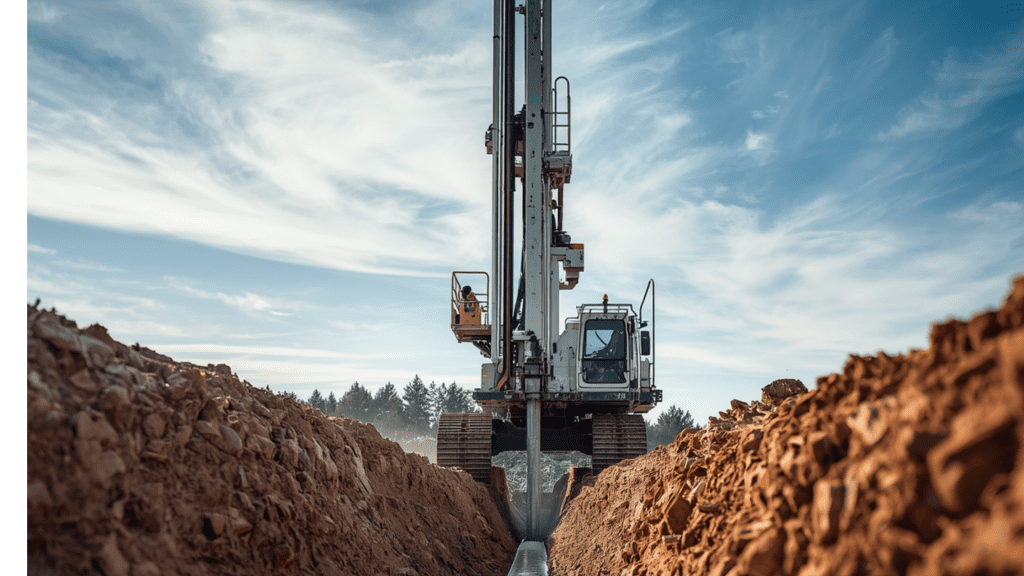
In more complex environments, trenchless technologies are becoming the preferred option. Techniques such as horizontal directional drilling allow contractors to install pipelines and utilities without extensive excavation. This not only reduces surface disruption but also lowers the risk of damaging existing infrastructure.
Heavy construction has also benefited from advancements in equipment and technology. Modern machinery is more efficient, precise, and safer than ever before. Digital tools, including modeling and project management software, help teams plan and execute projects with greater accuracy.
These innovations are improving outcomes, but they also introduce new challenges. When something goes wrong, understanding the technology involved becomes a key part of the investigation.
Why Understanding These Construction Types Matters in Legal and Project Outcomes
So why is it so important to have a clear understanding of civil, heavy, and underground construction explained? The answer lies in both prevention and resolution. Knowing how these systems work helps project teams avoid common pitfalls. It also provides a solid foundation for addressing issues when they arise.
In legal situations, this knowledge becomes even more valuable. Disputes often hinge on technical details that are not immediately obvious. Without expert insight, it can be difficult to determine what actually happened and who is responsible.
This is where experienced professionals make a difference. Discovery Experts brings a deep understanding of all three construction sectors, offering clear, defensible analysis in even the most complex cases. Their ability to connect technical details with legal requirements ensures that clients receive accurate and actionable insights.
If you are dealing with a construction dispute, delay claim, or project failure, do not leave the outcome to guesswork. Contact Discovery Experts today to discuss your situation and find out how their expertise can support your case.