
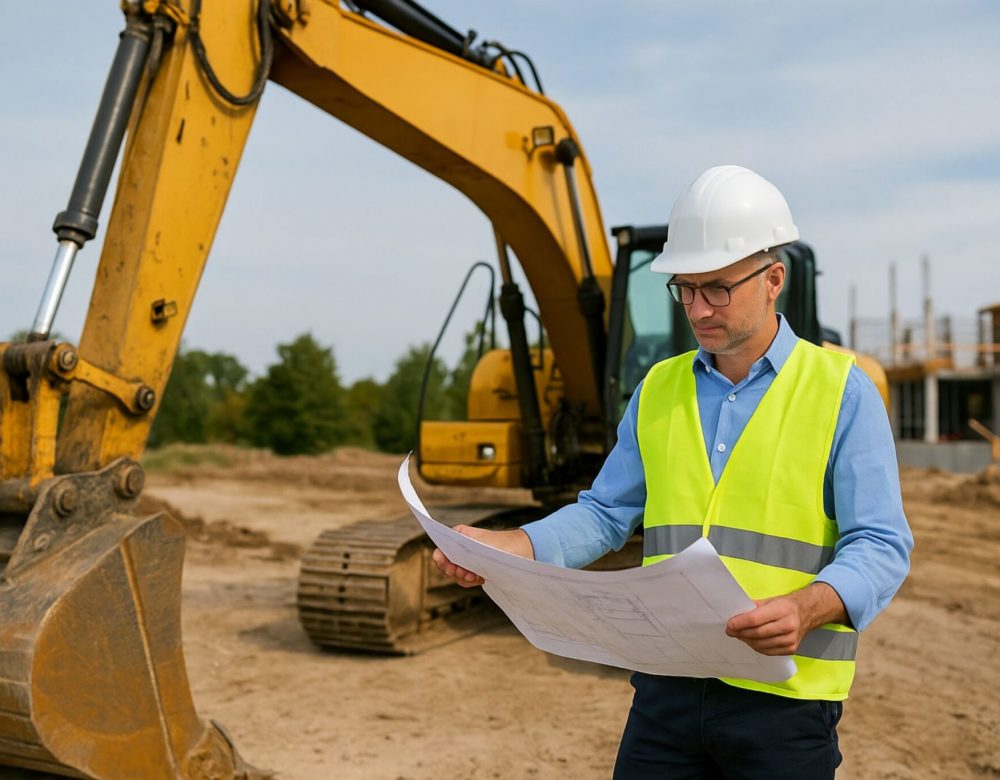
In the world of construction, few terms carry as much practical weight as competent person. It might sound straightforward, but this title represents a key figure in ensuring jobsite safety, regulatory compliance, and, ultimately, fair resolution when disputes arise. Whether it’s a disagreement over equipment use, site safety procedures, or accident causation, the competent person often stands at the intersection of field knowledge and legal clarity.
Think about it this way: when something goes wrong on a project, who has the authority and experience to explain what really happened? That’s where a competent person’s documentation, judgment, and testimony can make the difference between confusion and resolution. This article explores what defines a competent person, how they contribute to heavy equipment alternative dispute resolution, and why expert insight remains essential when conflicts reach mediation or arbitration.
What Is a Competent Person in Construction?
A competent person isn’t just a “qualified worker.” In OSHA terms, this is an individual who can identify existing or potential hazards and has the authority to take prompt corrective action. That authority is crucial. It means they don’t simply report a problem; they have the power to fix it. On a busy construction site, this often translates into immediate decisions that keep crews safe and projects compliant.
Beyond the regulatory definition, the competent person serves as the practical link between safety standards and daily operations. They interpret procedures, ensure equipment readiness, and document site conditions as they evolve. In disputes, those daily notes become invaluable records showing whether a contractor acted responsibly or overlooked critical safety steps.
OSHA Requirements for Competent Persons
OSHA standards make it clear: a competent person must be both knowledgeable and empowered. Training and experience alone aren’t enough. This person must also have recognized authority to stop unsafe work. This ensures that safety oversight isn’t just theoretical; it’s actionable. Their reports and on-site directives carry the same credibility that engineers and inspectors rely on later when reviewing a case.
Training and Certification
Competent person training programs vary across equipment types and construction sectors. They often include coursework on trenching, scaffolding, electrical safety, and heavy machinery operation. Many employers require recertification every few years or after significant equipment updates. This ongoing education ensures the competent person remains fluent in both regulatory standards and practical hazard mitigation.
The Role of a Competent Person in Heavy Equipment Operations

Anyone who has spent time around heavy machinery knows how quickly conditions can change. A stable excavation one day can become hazardous after overnight rain. A well-maintained backhoe can develop hydraulic issues after a long haul. That’s why a competent person’s inspections and observations matter so much, they detect these shifts before they cause an incident.
For equipment such as excavators, skid steers, and drills, competent persons ensure every operator understands the day’s risks and site conditions. They verify that attachments are properly rated, load charts are respected, and equipment is positioned safely. Their records often show that due diligence was performed long before an accident claim or dispute surfaces.
Inspection and Maintenance Oversight
Routine inspection is where a competent person shines. They oversee pre-shift checks, verify manufacturer maintenance schedules, and ensure damaged or faulty equipment is removed from service. This level of diligence doesn’t just prevent injuries. It also produces a clear paper trail that shows compliance with industry expectations.
Accident Prevention and Site Supervision
Competent persons coordinate the moving parts of a complex site: traffic routes, operator zones, and material staging. They spot gaps that others miss, soft ground under a crane pad, or an unmarked overhead power line near a lift area. In many ways, they are the first line of defense against preventable accidents.
How Competent Person Testimony Supports Dispute Resolution
When a project dispute reaches mediation or arbitration, evidence from the field becomes the anchor of truth. A competent person’s notes, inspection logs, and corrective actions offer a factual timeline that attorneys and arbitrators can trust. These records show not just what went wrong, but also what was done right, information that’s critical to fair resolution.
For example, if a contractor is accused of neglecting safety protocols, competent person records may show that inspections were performed daily and deficiencies were corrected immediately. In other words, their documentation can demonstrate adherence to reasonable care standards, helping separate perception from fact. For more on structured processes that use this kind of documentation effectively, see Heavy Equipment Alternative Dispute Resolution.

Evidence and Documentation
Solid documentation wins cases. Photos, signed inspection logs, maintenance tags, and even digital telematics data help build a reliable sequence of events. This kind of tangible record often convinces mediators faster than verbal testimony alone, because it ties actions to dates and demonstrates accountability.
Expert Witness Perspective
Expert witnesses frequently interpret competent person records, translating jobsite jargon into the plain, factual language that courts and arbitrators rely on. Their independent assessments connect technical details, such as load calculations or soil conditions, to causation and liability. Having a credible expert review these details can clarify whether an incident stemmed from mechanical failure, operator error, or procedural lapse.
Common Legal Scenarios Involving Competent Persons
Disputes in heavy construction rarely come down to one simple cause. More often, they involve a series of small oversights or misunderstood procedures. Consider a trench collapse, an equipment rollover, or a damaged underground utility line, each could trace back to how site risks were assessed, monitored, and documented.
Competent person records often become key evidence in these cases. They may reveal whether a site was inspected after weather changes, if a pre-lift meeting occurred, or if corrective orders were issued and followed. If you’re preparing for an early case evaluation, a focused heavy equipment case review can help identify documentation gaps and prioritize technical issues before formal proceedings begin.
Case Example (Hypothetical)
Imagine a skid steer hitting an underground fiber line. The operator insists the utilities were marked, but the competent person’s report notes that updated utility maps arrived that same morning and were not reviewed before excavation began. That single detail can shift responsibility from the operator to the coordination process, highlighting how competent person documentation protects both workers and companies.
Why Expert Witnesses Matter in Heavy Equipment ADR
Complex construction disputes often hinge on technical interpretation. Expert witnesses bring clarity to dense records, explaining how a series of operational or procedural decisions align, or fail to align, with accepted standards. Their experience transforms fragmented evidence into an understandable story.
Selecting experts who have served as competent persons themselves can be particularly effective. They understand how real jobsites function and can identify where procedures met or missed the mark. If you need assistance, consider working with heavy equipment expert witness professionals who specialize in connecting technical analysis to legal strategy. When on-site conditions remain uncertain, a detailed heavy equipment site inspection can provide firsthand verification of safety practices, equipment configurations, and environmental factors.
Final Thoughts
The competent person is the unsung guardian of construction integrity. Their authority to halt unsafe operations, combined with their technical judgment, ensures safety in real time and fairness long after. From preventing injuries to informing settlements, their impact spans every phase of a project’s life.
Whether you’re a contractor aiming to strengthen compliance or an attorney seeking to clarify liability, understanding the competent person’s role can change how you approach dispute resolution. To explore structured mediation strategies, start with heavy equipment ADR insights from Discovery Experts. And if you’re ready to consult a qualified professional, contact Discovery Experts today to connect with specialists who bring clarity, credibility, and technical precision to every case.
