
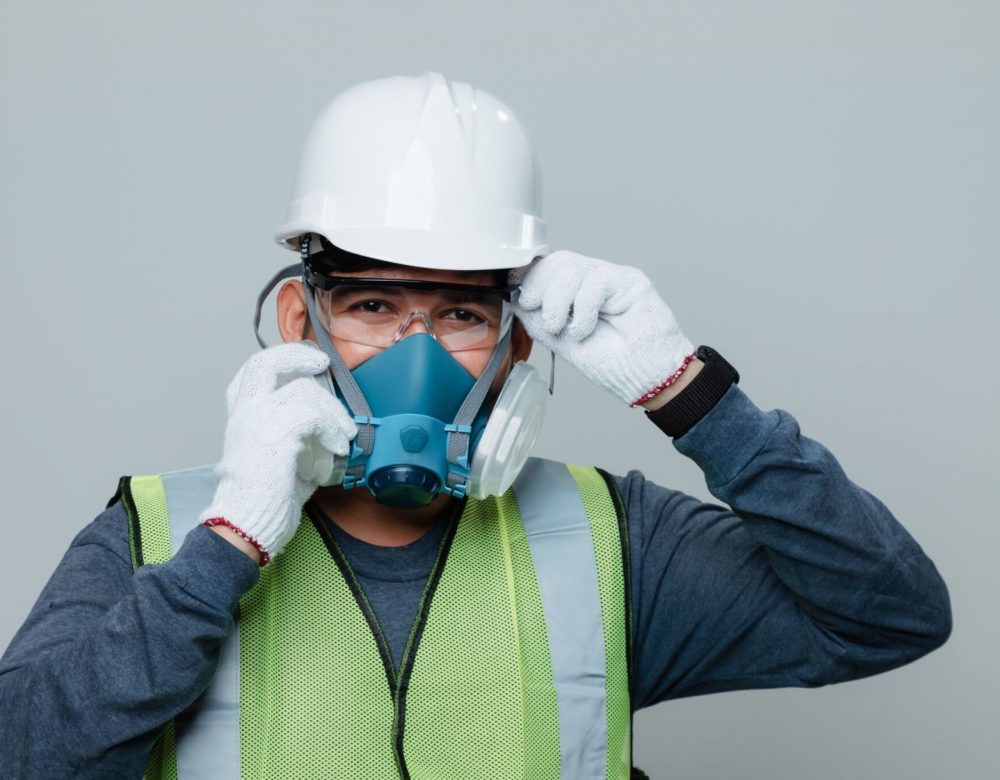
Few topics in construction safety carry as much weight as confined space entry. These are the areas most workers would rather avoid — the cramped, poorly ventilated spots where danger can hide in invisible gases or tight corners. Yet, for many civil and underground projects, confined space work isn’t optional; it’s part of the job. When procedures break down, the consequences are often severe, leading to injuries, delays, and costly disputes. Let’s explore why confined space safety matters so deeply in civil, heavy, and underground construction, and how expert witnesses play a crucial role when things go wrong.
If you’re currently facing a construction claim or investigation, you can learn more about how our team supports these cases on our Civil, Heavy, Underground Construction Damage Disputes page.
Understanding Confined Spaces in Construction
What Qualifies as a Confined Space
A confined space isn’t just a small or enclosed area. OSHA defines it as a space large enough for an employee to enter and perform work, with limited entry or exit and not designed for continuous occupancy. Examples? Think of cable vaults beneath a busy downtown street, a sewer manhole, or a pump chamber deep below grade. Each of these locations can become a confined space under the wrong conditions.
In underground and heavy construction, these environments often mix with other hazards — energized cables, heavy equipment vibration, or shifting soil conditions. It’s a complex web that demands precise coordination between contractors, supervisors, and safety officers.
Why Confined Spaces Pose Serious Hazards
Imagine working in a dimly lit vault where air circulation depends entirely on a single fan. A few minutes of equipment exhaust or a missed gas test could turn that space from safe to lethal. Common hazards include oxygen deficiency, flammable vapors, or even engulfment from water or slurry. The worst part? Many incidents occur not because hazards are unknown, but because they’re underestimated.
When disputes arise after such events, lawyers and experts often dissect every record — from daily permits to atmospheric logs — to see whether protocols were followed. These details often spell the difference between an unavoidable accident and a preventable oversight.
OSHA Standards and Compliance Requirements
Key Compliance Measures
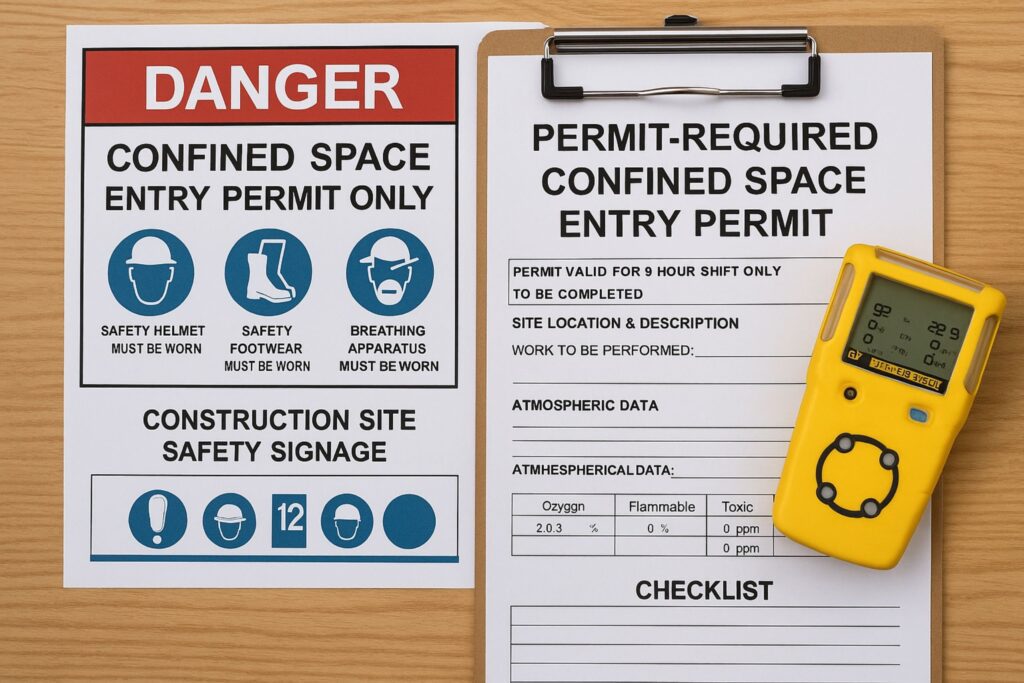
OSHA’s permit-required confined space standard (29 CFR 1910.146) lays out a roadmap for safe entry. It requires identifying hazards, issuing permits, testing the atmosphere, providing ventilation, assigning trained attendants, and maintaining an emergency rescue plan. It sounds straightforward, but in practice, coordinating these steps across multiple subcontractors can be messy. Heavy construction sites are dynamic; crews rotate, equipment changes, and conditions shift hourly.
That’s why experienced project managers emphasize **real-time coordination** between the field and safety personnel. Pre-entry meetings, live gas monitoring, and continuous supervision aren’t just boxes to check — they’re life-saving routines. Failing to follow them can lead not only to citations but also to contractual disputes and insurance claims.
Frequent Violations and Their Consequences
Typical compliance breakdowns include incomplete permits, uncalibrated gas detectors, and vague rescue plans. On paper, these might sound minor. In litigation, however, they become central issues. Regulators and attorneys often ask: Was the risk foreseeable? Did the contractor follow standard practice? These questions drive both liability and defense arguments.
When disagreements over safety procedures escalate, a structured construction case review helps clarify compliance gaps and assign responsibility. Early expert involvement can prevent an administrative citation from spiraling into a multi-party dispute.
How Confined Space Issues Lead to Construction Damage Disputes
Common Causes of Disputes
Disputes often begin with something small: a ventilation failure that halts work, or a miscommunication between contractors about who was responsible for testing air quality. Over time, those delays cascade. Suddenly, you’re looking at lost days, standby costs, and finger-pointing between contractors, subs, and owners.
Confined space disputes frequently involve **telecommunications, fiber optic, electrical, and sewer projects**, where multiple trades operate within tight, interdependent spaces. One missed test or uncoordinated entry can halt an entire operation — and spark arguments over liability and cost recovery.
Real-World Examples
In one case, a fiber optic installation crew entered a manhole after verifying oxygen levels were normal. Hours later, carbon monoxide from nearby generators caused workers to collapse. The root cause? The air monitor was set to log every 15 minutes instead of continuously. Questions over who configured the device — the general contractor or the sub — became the crux of the dispute.
In another example, a sewer repair contractor experienced a confined space flooding incident after bypass pumps malfunctioned. The owner alleged poor planning; the contractor pointed to unforeseeable conditions. An alternative dispute resolution expert reconstructed the sequence of events, helping both sides reach settlement before trial.
The Role of Expert Witnesses in Confined Space Litigation
How Experts Strengthen a Case
When confined space incidents end up in court, expert witnesses bridge the gap between technical data and legal arguments. They interpret the fine print of safety plans, analyze gas readings, and explain whether the conditions met industry standards. A seasoned expert can transform dense technical records into clear, understandable narratives that help a jury see what really happened.
For example, in a delay claim tied to a confined space stoppage, an expert might compare the project’s written safety plan with OSHA standards, then explain whether the deviation was significant enough to justify cost recovery. These analyses often determine whether a case settles or proceeds to litigation.
Selecting the Right Expert
Not all experts are equal. The best ones combine field experience with analytical skill and the ability to communicate clearly. A construction safety professional who has worked in underground environments brings credibility that textbook knowledge alone can’t match. Pairing such expertise with a cost or scheduling analyst strengthens a case even more, especially when quantifying impact.

If you’re evaluating potential testimony or report needs, consider consulting a specialized civil and underground construction expert witness. Early involvement ensures technical facts are preserved, site conditions are documented, and arguments are built on solid engineering reasoning rather than assumptions.
Industry Examples — Telecom, Electrical, and Sewer Projects
Utility and Infrastructure Risks
Each utility sector faces distinct confined space challenges. Telecom crews often work in buried vaults filled with old cabling and limited airflow. Electrical workers might deal with energized enclosures where grounding errors can be fatal. Sewer contractors contend with biological hazards, methane buildup, and unpredictable water inflows. Even seasoned crews can miss subtle warning signs when schedules are tight.
When these risks lead to a stop-work order, determining whether the downtime was justified becomes a legal question. A thorough construction cost analysis can identify whether the expenses stemmed from genuine safety requirements or preventable inefficiencies. In litigation, that distinction matters greatly.
Preventive Best Practices
Forward-thinking contractors emphasize prevention through continuous improvement. Common strategies include:
- Pre-entry risk assessments tailored to each confined space
- Real-time gas detection and automated alerts
- Regular third-party safety audits
- Cross-trade coordination meetings before entry
These steps not only protect workers but also build a defensible record in case disputes arise. As many experts note, documentation is the best shield against both injury and litigation.
Conclusion — Protecting Workers and Preventing Disputes
Confined space safety isn’t just a regulatory requirement. It’s a moral obligation and a business imperative. The costs of neglect — lives, reputation, and money — are simply too high. Projects that invest in proactive safety measures, thorough documentation, and independent expert oversight tend to resolve conflicts faster and more fairly.
If you’d like to explore how confined space practices intersect with legal or construction claims, visit our page on construction damage disputes in civil, heavy, and underground work. For immediate consultation or to connect with an experienced expert witness, contact Discovery Experts today.
