
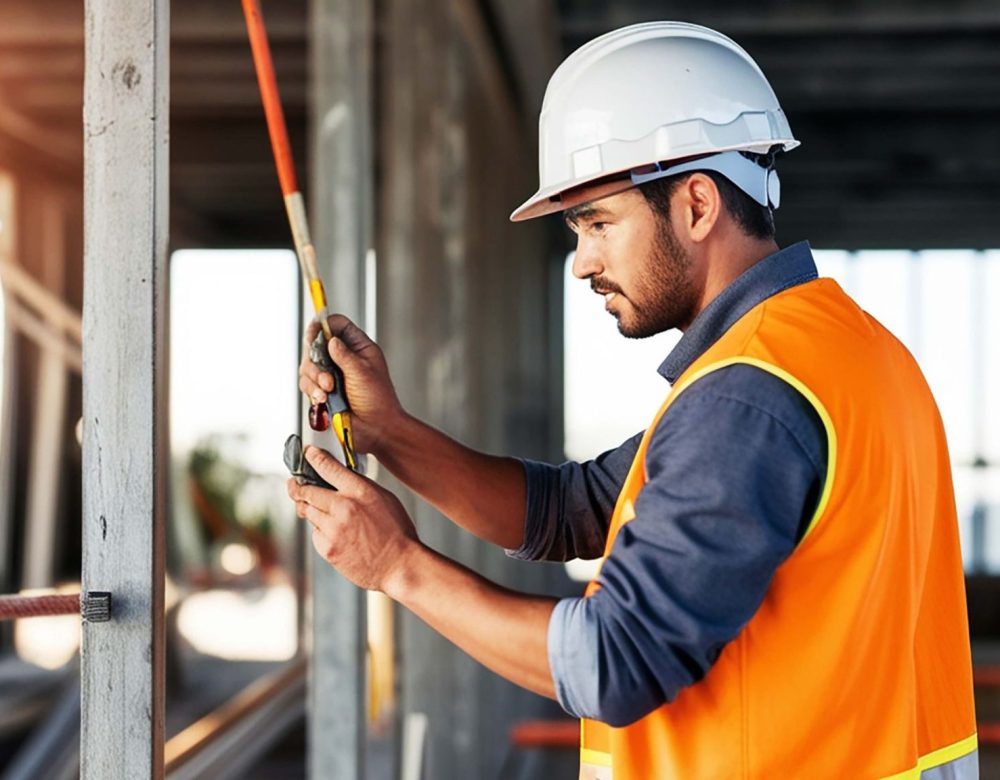
Construction defect disputes rarely start with a single, simple question. More often, they begin with frustration. Why is a building leaking when it is brand new? Why is a roadway settling years earlier than expected? Why are utility systems failing despite appearing compliant on paper? Once those questions turn into legal claims, the answers matter a great deal.
Construction defects expert witness services exist to bring clarity to those situations. An experienced construction defects expert witness examines what actually happened in the field, compares it to what should have happened, and explains the difference in a way that stands up in court. For attorneys, insurers, and other decision-makers, that expertise can be the difference between speculation and proof.
Construction cases are technical by nature. They involve plans, specifications, schedules, standards of care, and real-world conditions that do not always cooperate. A qualified expert helps connect those dots and translate complex construction realities into clear, defensible opinions.
What Are Construction Defects and Why Do They Lead to Legal Disputes
At a basic level, construction defects fall into three broad categories: design defects, material defects, and workmanship defects. Design defects may involve errors or omissions in plans and specifications. Material defects can include products that fail prematurely or are unsuitable for their intended use. Workmanship defects often stem from improper installation, sequencing issues, or deviations from accepted construction practices.
In real projects, these categories frequently overlap. A minor design oversight combined with rushed installation and challenging site conditions can produce a failure that no single party fully anticipated. When damage appears or performance falls short, the question quickly becomes who is responsible and why.
This is where disputes arise. Construction projects involve many stakeholders, each with defined roles and contractual obligations. When something goes wrong, determining causation and responsibility requires more than surface-level observations. A thorough construction defect forensic analysis looks at documentation, site conditions, and industry standards to establish what truly contributed to the defect.
Common defect issues experts are asked to evaluate
Construction defects can show up in many forms, including:
- Water intrusion and building envelope failures
- Foundation settlement and structural distress
- Drainage, grading, and civil site deficiencies
- Utility conflicts and underground installation problems
- Premature deterioration of materials or systems
Each of these issues carries technical nuances that require specialized knowledge to interpret correctly.
The Role of a Construction Defects Expert Witness
A construction defects expert witness does more than identify problems. The expert’s role is to explain how and why those problems occurred, using accepted methodologies that withstand legal scrutiny. This involves careful investigation, disciplined analysis, and the ability to communicate findings clearly.
In practice, expert witness services often include site inspections, document reviews, and evaluation of construction means and methods. Experts examine drawings, specifications, change orders, schedules, daily reports, and photographs to understand how the project evolved. When necessary, they also consider testing data and manufacturer guidance.
As a case progresses, the expert may prepare written reports, assist counsel with deposition preparation, and provide construction defect expert witness testimony. Clear communication is essential. Judges and juries are rarely construction professionals, so the expert must explain technical concepts in a way that is accurate yet understandable.

In more document-intensive matters, attorneys may also rely on broader litigation support services such as construction discovery support to help organize and interpret large volumes of project records.
Construction Defect Forensic Analysis and Causation Evaluation
One of the most important questions in any defect case is causation. It is not enough to show that a defect exists. The expert must explain why it exists. Did the issue originate during design? Was it introduced during construction? Did site conditions or later modifications play a role?
A well-executed construction defect causation analysis evaluates competing explanations and tests them against physical evidence and project documentation. This process often involves reconstructing timelines, reviewing construction sequencing, and comparing observed conditions to industry standards and codes.
Effective forensic analysis also requires restraint. A credible expert clearly distinguishes between observed facts and professional opinions. Assumptions are identified, methodologies are explained, and conclusions are supported by evidence rather than speculation.
Standards of care and defensible methodology
Courts expect expert opinions to be grounded in recognized standards of care. These may include building codes, industry guidelines, manufacturer requirements, and generally accepted construction practices. A strong expert explains which standards apply and why, then shows how the project either met or deviated from them.
This disciplined approach strengthens expert opinions and makes them more useful during mediation, arbitration, and trial.
Specialized Expertise in Civil, Heavy, and Underground Construction Defects
Not all construction defects occur in buildings. Many disputes involve civil infrastructure, utilities, and underground systems. These environments introduce different risks and technical challenges, including soil conditions, trenching practices, compaction requirements, and coordination between multiple trades.
In these cases, selecting an expert with relevant field experience is critical. Civil and underground construction defects often require familiarity with heavy equipment operations, utility installation methods, and site logistics that differ significantly from vertical construction.

For matters involving infrastructure or subsurface work, services such as civil, heavy, and underground construction incident analysis provide focused expertise aligned with real-world construction conditions.
Examples include disputes over buried utilities, telecommunications installations, roadway failures, or conflicts between new construction and existing infrastructure. In these situations, practical construction knowledge can be just as important as technical credentials.
How Attorneys and Insurers Use Construction Defect Expert Witnesses
Attorneys often engage construction defect experts early in a case. Early involvement helps clarify technical theories, identify critical documents, and determine whether additional investigation is needed. This can shape pleadings, inform discovery strategy, and support realistic case valuations.
Insurers and claims professionals rely on experts to assess the nature and extent of damage, evaluate timing, and distinguish between covered events and excluded conditions. Expert analysis can also support reserve decisions and settlement discussions.
When construction operations or equipment use are central to a dispute, complementary expertise may be required. For example, heavy equipment expert witness analysis can help address questions about equipment operation, site safety, and construction means and methods.
In many cases, the expert’s work helps narrow issues and encourages resolution before trial.
Choosing the Right Construction Defects Expert Witness
Selecting the right expert is not simply a matter of credentials. Experience, credibility, and communication skills all matter. An effective construction litigation expert understands both construction practice and the legal process.
Key considerations include the expert’s background in the relevant construction discipline, experience providing testimony, and ability to produce clear, well-supported reports. Just as important is the expert’s ability to explain complex issues without exaggeration or advocacy.
Ask whether the expert has handled similar disputes and whether their analysis reflects practical, field-based understanding. Opinions grounded in real construction experience are often easier to defend and more persuasive.
Conclusion
Construction defect disputes demand careful, objective analysis. Whether the issue involves design errors, workmanship concerns, or complex underground systems, reliable construction defects expert witness services help transform technical facts into clear explanations that support informed legal decisions.
If you are involved in a construction defect matter and need expert insight you can rely on, professional guidance can make a meaningful difference. Contact Discovery Experts to discuss your case and learn how experienced expert witness consulting services can support your litigation or dispute resolution needs.
