
When a construction project grinds to a halt because a crane failed or an excavator was damaged, one question immediately surfaces: *what happened and who is responsible?* In these moments, damage evaluation becomes more than a technical process, it’s the key to understanding cause, cost, and accountability. At Discovery Experts, we specialize in uncovering the facts behind construction equipment failures, offering clarity where uncertainty can cost millions.
Our team’s work supports attorneys, insurers, and contractors navigating complex heavy equipment damage disputes. Each assessment blends engineering expertise, forensic investigation, and real-world experience to reach conclusions that hold up in negotiation rooms and courtrooms alike.
What Is Damage Evaluation in Construction and Equipment Disputes?
In construction and heavy equipment contexts, damage evaluation refers to the careful, methodical examination of how damage occurred, the extent of the loss, and what it will take to restore or replace the equipment. It’s both a science and an art, combining engineering principles with investigative skill.
For instance, imagine a crawler crane that collapses during a lift. Was it an equipment failure? Poor ground stabilization? Or perhaps an overloading error? A professional evaluator studies the site conditions, operational data, and maintenance logs to uncover the answer. The findings often determine whether the issue leads to a claim settlement or a costly legal battle.
Simply put, damage evaluation connects physical evidence to financial and legal outcomes. Without it, construction disputes would rely on speculation instead of proof.
Why Accurate Damage Evaluation Matters
Accuracy is everything. An incorrect assumption about how a skid steer’s hydraulic system failed could shift liability to the wrong party or inflate repair costs. That’s why construction damage inspection and forensic damage analysis are essential to protecting everyone involved, from contractors and owners to insurers and equipment manufacturers.
Consider the ripple effect of a poor evaluation. A rushed inspection might overlook hidden fatigue in a machine component, leading to repeated failures later. On the other hand, a thorough forensic analysis provides a complete picture of cause, effect, and cost, allowing claims and disputes to be resolved efficiently.
At Discovery Experts, we’ve seen how the right expert report can turn confusion into clarity. When a project’s future depends on facts, precision in evaluation is not optional, it’s vital.
The Damage Evaluation Process: From Site Inspection to Expert Report
The process behind a professional damage evaluation is structured, but never mechanical. Each step builds on careful observation, reasoning, and communication between experts and clients.
Step 1 – On-Site Inspection and Evidence Collection
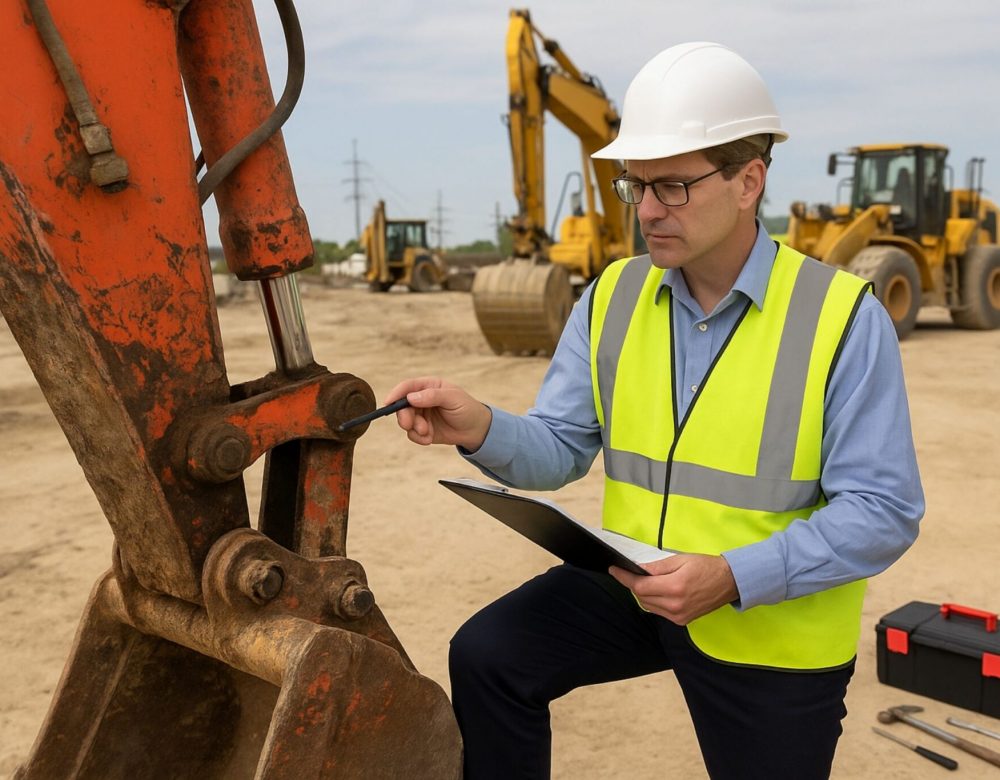
The process begins at the site of the incident. Evaluators inspect the damaged equipment firsthand, taking high-resolution photographs, notes, and sometimes even component samples. They document surroundings, soil conditions, and any visible defects. It’s not unusual to find clues in unexpected places, such as tire impressions that reveal operator error or residue indicating improper maintenance.
Step 2 – Forensic Analysis and Causation Assessment

Next comes the heart of the process: forensic analysis. Here, data from the inspection is compared with design specifications, manufacturer manuals, and operational histories. Was the damage the result of misuse or a latent defect? For example, a cracked excavator boom might look like impact damage at first glance, but metallurgical testing could show internal stress from years of overloading. Identifying the *true cause* is what sets expert evaluations apart from surface-level assessments.
Step 3 – Expert Report and Testimony Preparation
After the analysis phase, experts compile their conclusions into a comprehensive report. This report details the evaluation methods, evidence, and reasoning used to form conclusions. It serves as a formal document for insurance adjusters, attorneys, and courts. The final report is not just a summary of findings; it’s a narrative of the incident supported by engineering data and professional judgment. When necessary, the evaluator may also appear as an expert witness to explain the findings in plain, factual language that helps non-technical audiences understand the case.
Common Types of Equipment Damage Disputes
Construction projects depend on a range of heavy machinery, each with its own vulnerabilities. Damage can stem from weather, operator error, or even small design oversights. Here are some of the most common scenarios:
- Excavators and Backhoes: Boom or arm damage caused by improper loading or overextension.
- Cranes: Structural failures from overloading or neglected maintenance.
- Skid Steers and Bobcats: Frame cracking or hydraulic leaks resulting from high stress operations.
- Drills and Compactors: Excessive vibration leading to premature wear or internal part failure.
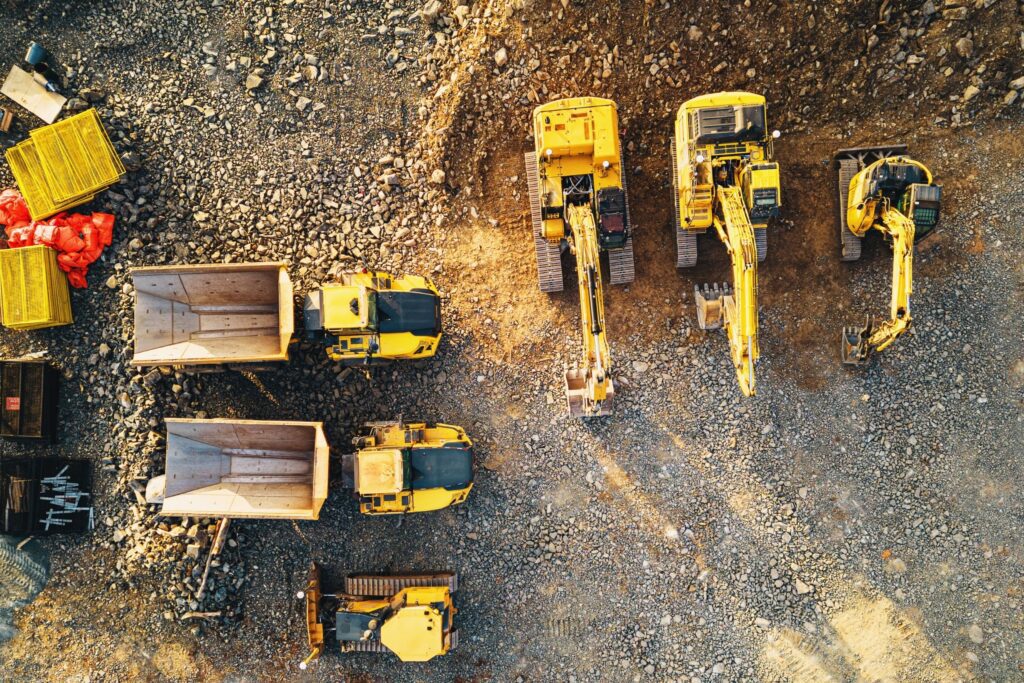
Each of these cases requires different testing and analysis methods. A forensic approach helps pinpoint whether the damage resulted from human error, defective parts, or external conditions. By addressing each equipment type with its own diagnostic method, evaluators create reports that stand up to scrutiny in both insurance and legal settings.
The Role of Expert Witnesses in Damage Evaluation Cases
When a case escalates into formal litigation, having an expert witness who can clearly explain the technical details is invaluable. These professionals bridge the gap between complex engineering concepts and the legal framework in which those findings are judged.
Imagine explaining to a jury how a crane’s hoist drum failed due to fatigue cracking. Without context, such details could sound abstract. An experienced expert witness translates the technical evidence into clear, relatable language: “This part failed because it was used beyond its design limits.” The credibility of that testimony can shape the entire outcome of a dispute.
Discovery Experts’ evaluators provide testimony based on data, not conjecture. Our specialists bring decades of field experience into the courtroom, ensuring that the facts are heard clearly and fairly in every heavy equipment damage dispute we support.
Linking Damage Evaluation to Dispute Resolution and Claims
So how does damage evaluation fit into the bigger picture of construction and insurance claims? Think of it as the bridge between technical analysis and financial resolution. A credible report provides the evidence insurers and attorneys rely on to make informed decisions.
Accurate evaluations simplify construction claim evaluation by clarifying causation and quantifying losses. This reduces uncertainty and prevents prolonged negotiations. In many cases, early involvement of a qualified evaluator can even prevent litigation by establishing agreement on facts before conflicts escalate.
When stakeholders understand the truth behind an incident, they can move toward resolution faster. For an in-depth look at how expert evaluations support claims and legal processes, visit our Heavy Equipment Damage Dispute Services page for details.
Conclusion – The Value of Professional Damage Evaluation
Every damaged machine tells a story. Sometimes it’s a story of wear and tear; other times, it’s a story of human oversight or environmental stress. A professional damage evaluation reveals that story with evidence, clarity, and credibility. The result? Disputes are resolved more fairly, and future incidents can often be prevented.
In an industry driven by deadlines, accountability, and safety, reliable evaluations protect both financial and reputational interests. At Discovery Experts, our mission is simple: to deliver truth through evidence. If you’re managing a claim or dispute and need unbiased insight, contact our team today to discuss how we can assist.
When accuracy matters and facts need a voice, Discovery Experts provides the expertise you can trust.
