
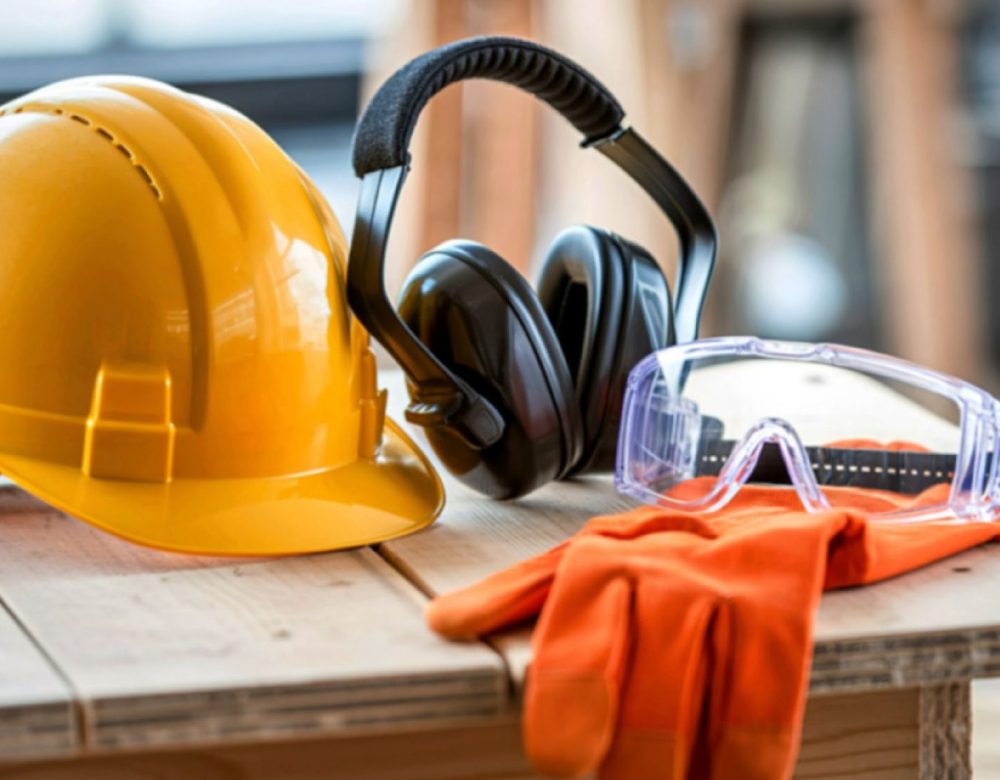
Construction projects rarely look the same from one site to the next, but one thing remains constant across the industry: risk. Heavy equipment, elevated work areas, underground utilities, and tight schedules all create conditions where mistakes can have serious consequences. That is why OSHA violations in construction continue to play a major role in jobsite safety, incident investigations, and legal disputes.
When a serious injury or fatality occurs, OSHA compliance often becomes a focal point. Was the site properly protected? Were workers trained and supervised? Did conditions tell a different story than what was written on paper? These questions matter not only to regulators, but also to attorneys, insurers, and organizations seeking a clear understanding of what went wrong and why.
Understanding OSHA Violations in Construction
At its core, an OSHA violation occurs when an employer or responsible party fails to meet established safety standards. In construction, those standards cover everything from fall protection and excavation safety to electrical systems and equipment operation. The rules themselves are detailed, but the goal is straightforward: reduce the likelihood of serious harm.
Complications arise because construction sites typically involve multiple layers of responsibility. General contractors, subcontractors, and specialty trades may all have overlapping duties. OSHA recognizes this reality and assigns responsibility based on roles such as controlling employer, exposing employer, or correcting employer. In practice, these distinctions are not always well understood on active jobsites.
As a result, violations often occur not because safety rules are unknown, but because accountability is unclear or enforcement is inconsistent. Over time, small gaps in compliance can compound into conditions that expose workers to significant hazards.
The Most Common OSHA Violations on Construction Sites
Some OSHA violations appear repeatedly across construction projects, regardless of size or scope. Fall protection remains the most frequently cited issue. Unprotected edges, missing guardrails, or improper use of personal fall arrest systems continue to put workers at risk on roofs, scaffolds, and elevated platforms.
Trenching and excavation violations are another common concern, particularly in underground construction. Inadequate shoring, failure to account for soil conditions, or unsafe access points can quickly turn routine work into a dangerous situation. These risks are often underestimated until an incident occurs.
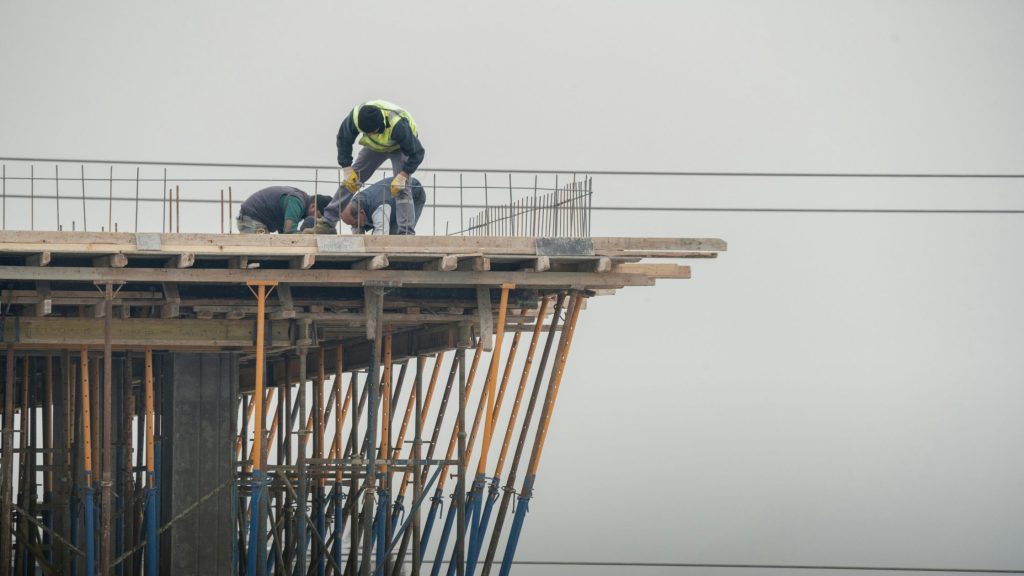
Other frequent violations include electrical hazards, unsafe machinery, and lack of proper training. In many cases, the issue is not a single mistake but a pattern of shortcuts, assumptions, or overlooked procedures that gradually erode safety margins.
- Fall protection failures in elevated work areas
- Excavation and trench safety violations
- Equipment and electrical hazards
- Training and supervision deficiencies
Root Causes Behind OSHA Violations in Construction
Looking beyond the citation itself, OSHA violations often point to deeper operational issues. Poor safety planning at the start of a project can leave crews without clear procedures for managing known hazards. When safety is treated as a formality rather than an active process, compliance suffers.
Communication breakdowns are another recurring factor. On complex projects, responsibilities may shift between contractors, or assumptions may be made about who is handling safety oversight. Without clear coordination, critical controls can fall through the cracks.
There is also the human element. Tight schedules, cost pressures, and production demands can push safety lower on the priority list. While these pressures are common in construction, they often contribute directly to unsafe practices and, ultimately, OSHA violations.
Consequences of OSHA Violations After a Construction Incident
After a construction accident, OSHA violations can lead to immediate regulatory consequences. Citations and fines are issued based on the severity and classification of the violation, and repeat or willful findings can significantly increase penalties.
The impact rarely stops with OSHA enforcement. Violations frequently become central issues in civil litigation, insurance claims, and workers compensation disputes. Attorneys and insurers may rely on OSHA findings to support arguments related to negligence, responsibility, or failure to meet industry standards.
However, OSHA investigations are not designed to answer every question. They focus on regulatory compliance, not necessarily on the technical cause of an incident. This limitation often creates a need for additional analysis, particularly when fault or liability is contested.
The Role of OSHA Violations in Construction Incident Analysis
In formal investigations, OSHA violations are an important piece of the puzzle, but they are not the entire picture. A thorough construction incident analysis examines the conditions that existed before the incident, the sequence of events, and the interaction between people, equipment, and the environment.
Experienced investigators evaluate whether alleged violations were directly related to the incident or merely coincidental. This distinction matters. Not every citation indicates causation, and not every hazard is captured in an OSHA report.

Comprehensive construction incident analysis is especially critical in civil, heavy, and underground projects, where multiple hazards may exist simultaneously. Understanding how those hazards interacted is essential for accurate conclusions.
Why Expert Witness Analysis Is Critical in OSHA-Related Construction Cases
OSHA plays a vital role in enforcing safety standards, but its findings alone often leave unanswered questions. How did jobsite conditions evolve over time? Were industry standards met beyond minimum regulatory requirements? Could the incident have occurred even if compliance had been achieved?
Construction experts address these questions by applying technical knowledge, industry standards, and investigative experience. Their role is not advocacy, but objective analysis. This perspective is often critical in litigation, arbitration, and insurance matters involving OSHA violations.
When OSHA violations intersect with complex construction activities, independent expert review can bring clarity to disputed facts and technical issues. If you are dealing with a construction incident, regulatory inquiry, or legal dispute, contact Discovery Experts to discuss how expert witness and incident analysis services can support a clear and defensible understanding of the case.
