

Introduction – The Role of Take-offs in Accurate Construction Costing
In construction, a small mistake in estimating can quickly snowball into a huge financial problem. That’s why a detailed construction take-off is more than just an early step in project planning; it’s the foundation for success. A take-off measures and lists every material, piece of equipment, and labor hour needed for a project. When integrated with construction cost analysis and accounting, it ensures budgets stay realistic and project decisions stay grounded in data.
For those working in civil, heavy, or underground construction, take-offs carry even greater weight. Miscalculating trench lengths, pipe diameters, or concrete volumes can disrupt entire schedules. On the other hand, precise take-offs save money, prevent disputes, and support the transparency clients expect from industry professionals. If accuracy and accountability matter to you, understanding this process isn’t optional, it’s essential.
Understanding Construction Take-offs
What Is a Construction Take-off?
At its core, a construction take-off is a carefully organized list of everything required to complete a project. It covers raw materials like concrete, steel, wiring, and asphalt, as well as labor categories and equipment use. Think of it as a financial map, one that helps teams predict not just what they’ll build, but what it will actually cost to build it. In civil and underground construction, take-offs can include specialized items like conduit runs, rebar layouts, excavation volumes, and cable trenching depths.
Without an accurate take-off, cost analysis becomes guesswork. Imagine estimating an underground fiber optic project without knowing the precise footage of trenching required. That’s like trying to balance your checkbook with missing numbers, it simply doesn’t work.
Methods of Performing Take-offs
Take-offs can be performed manually or digitally. Manual take-offs involve rulers, paper plans, and calculators. It’s old-school, and while it works for smaller projects, it leaves room for human error. Digital take-offs, on the other hand, use specialized software that can read CAD drawings or BIM files to automatically calculate quantities and measurements. These systems not only save time but also store records that can later be reviewed by an expert witness in case of disputes or audits.
Most modern contractors and analysts have embraced digital methods because they integrate directly with project management and accounting software. The result? Fewer mistakes, better accountability, and more confidence in every number on the page.
How Take-offs Integrate with Cost Analysis and Accounting
Once the take-off is completed, the information doesn’t just sit on a spreadsheet. It becomes the heartbeat of the project’s cost analysis and accounting process. Every quantity feeds into a cost model, informing procurement, scheduling, and budget forecasting. In large-scale projects, this integration ensures that estimates align with reality and that deviations are caught before they spiral out of control.
For instance, when actual field costs begin to exceed estimates, analysts can trace the issue back to the take-off data. Did labor hours increase? Were material quantities underestimated? With detailed take-offs in place, the answers are clear, and solutions come faster.
This integration is especially important in sectors like civil and heavy construction accounting, where accurate data can make or break a project. Tracking cost variance, updating projections, and maintaining compliance all depend on the foundation that the take-off provides.
Practical Example: Heavy Construction Cost Breakdown
Consider a highway reconstruction project. The take-off identifies every cubic yard of concrete, every ton of asphalt, and every foot of rebar. Those figures flow into the cost estimate, which then informs the accounting system. If the project hits a snag and costs rise, managers can quickly pinpoint where adjustments are needed; whether in materials, labor, or subcontractor billing. Without that original take-off data, decision-making would be like driving in the dark without headlights.
Applications in Underground and Utility Construction
Underground construction projects, from fiber optic and telecommunications systems to electrical and cable TV infrastructure rely on precision. Errors in estimation here can lead to not only financial losses but also safety risks and legal exposure. Accurate take-offs make it possible to anticipate challenges such as soil conditions, trenching logistics, and equipment access before breaking ground.
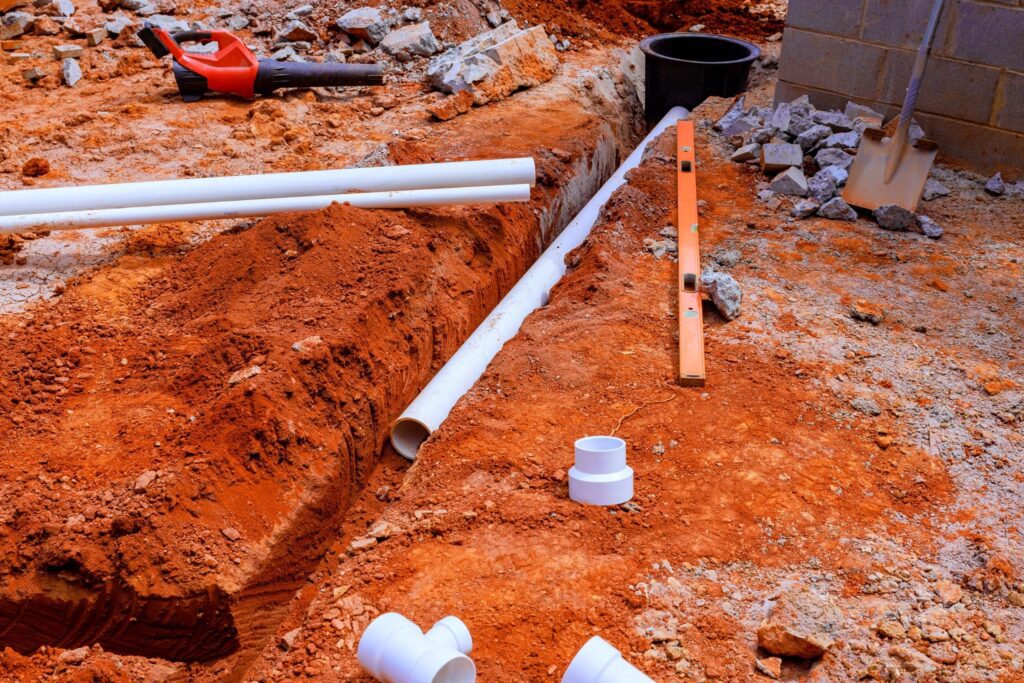
In one real-world example, a contractor bidding on a fiber optic installation used automated take-off software to identify redundant conduit runs. The result? A six-figure cost reduction and a stronger proposal that ultimately won the project. That’s the power of data-driven decision-making.
For organizations managing multiple underground projects, connecting take-off results with accounting systems helps maintain consistency across teams. It also ensures traceability, so every cost, change order, or quantity adjustment can be justified if ever questioned. In the world of fiber optic construction analysis, that level of accuracy can be the difference between compliance and costly rework.
The Expert Witness Perspective – Take-offs in Construction Disputes
Take-offs play a critical role in construction disputes. When budgets exceed projections or contractors face claims, an expert witness often steps in to examine the original estimates. They assess whether the take-off was performed correctly, whether accepted industry standards were followed, and whether cost discrepancies were the result of oversight or genuine field changes.
At Discovery Experts, professionals specializing in construction cost analysis and accounting often review take-offs during legal proceedings. Their evaluations can uncover whether errors were caused by flawed assumptions, missing data, or deliberate misrepresentation. In arbitration or court, such insights can decisively shape the outcome.

Common Scenarios in Legal Disputes
Disputes frequently arise from undercounted materials, inflated change orders, or conflicting as-built quantities. An independent expert may be called to re-create the original take-off using the same plans to verify its accuracy. In one notable case, a discrepancy in concrete volume estimates led to a multi-million-dollar claim, resolved only after forensic review confirmed a data entry error in the contractor’s take-off. Such cases highlight why take-offs must be performed meticulously and verified independently whenever possible.
Best Practices for Accurate Take-offs and Cost Management
So, how do you ensure that your take-offs are accurate, defensible, and efficient? It starts with process. Here are a few best practices trusted by professionals across the construction industry:
- Standardize your approach. Use consistent formats and naming conventions for all projects.
- Verify your data. Double-check measurements, quantities, and cost codes before submitting estimates.
- Leverage digital tools. Modern software can identify patterns and flag inconsistencies that humans might miss.
- Document everything. Keep clear records of all take-off inputs and revisions for future audits or legal review.
By adopting these practices, teams can build a culture of accuracy and accountability. Working with professionals who specialize in cost analysis also adds an extra layer of quality control. The experts at Discovery Experts, for instance, provide guidance not just in estimation, but in establishing systems that stand up to both operational and legal scrutiny.
Conclusion – Why Expert Take-off and Cost Analysis Matters
When it comes to construction, precision isn’t just a nice-to-have, it’s a necessity. A well-executed construction take-off drives accurate estimates, transparent accounting, and smoother project delivery. It also serves as a safeguard, offering clarity and evidence if disputes arise later on. Whether you’re working on a highway expansion or a fiber optic network, a meticulous take-off can make the difference between profit and loss.
In today’s high-stakes construction environment, partnering with professionals who understand the technical and forensic sides of cost analysis is invaluable. If you’re ready to bring expert-level accuracy and accountability to your next project, contact Discovery Experts to learn how our construction cost analysis and expert witness services can help you build with confidence.