
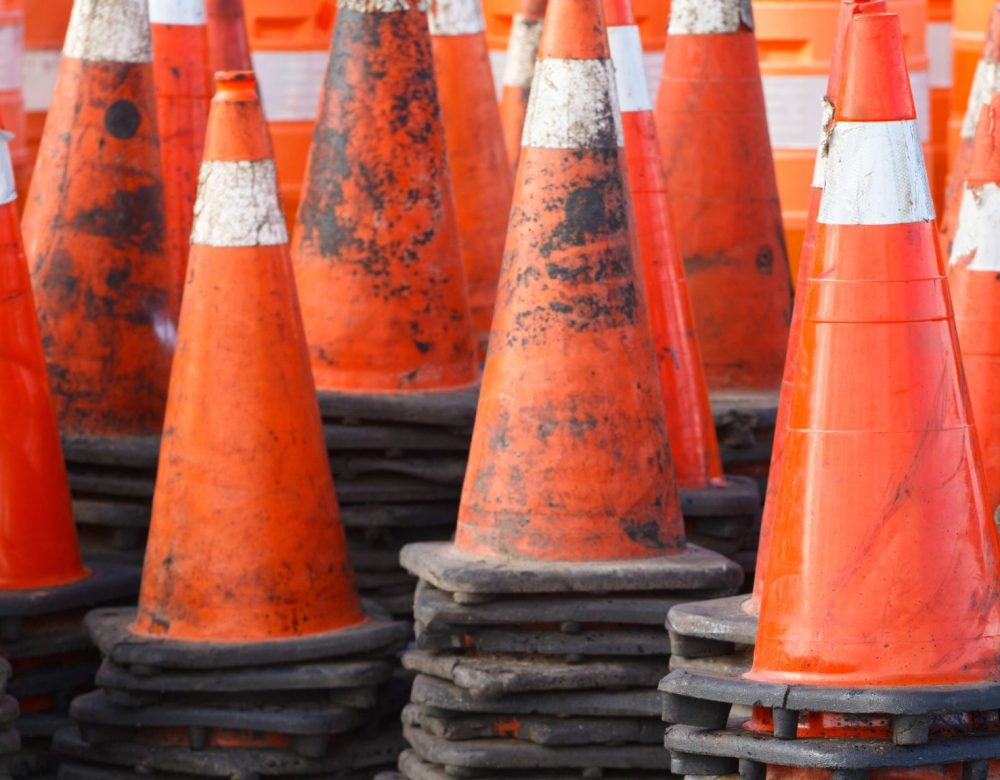
Transportation-related incidents on construction projects are rarely simple. A dump truck backing into a worker, a delivery vehicle striking a temporary barrier, or a forklift incident inside a staging area often raises more questions than answers. Was the traffic control plan adequate? Were workers properly trained? Did site conditions change without updated safety controls?
These are the kinds of questions that quickly push a case beyond surface-level explanations. Transportation safety expert witnesses in construction matters exist to answer them. Their role is not just to describe what happened, but to explain how safety systems should have worked, where they may have failed, and whether industry standards were met under real-world conditions.
This article takes a practical look at how transportation safety expert witnesses support construction litigation, the types of cases they are involved in, and what attorneys should consider when deciding whether an expert is necessary.
What Is a Transportation Safety Expert Witness in Construction?
A transportation safety expert witness in construction focuses on the movement of vehicles, equipment, and people within active work environments. That includes everything from internal haul roads and delivery routes to pedestrian access, spotter use, and temporary traffic control.
Construction sites are constantly changing. Work zones shift, access points move, and new hazards emerge as phases of a project evolve. Unlike fixed roadways, these environments require safety systems that adapt quickly. A qualified expert understands how those systems are designed to function and how breakdowns can occur when planning, communication, or oversight falls short.
In litigation, the expert’s job is to connect evidence to accepted safety principles. This may involve reviewing site plans, training records, safety manuals, equipment specifications, photographs, and video footage. The goal is not speculation, but a reasoned analysis grounded in standards, experience, and documented facts.
Common Construction Cases Requiring Transportation Safety Expert Witnesses
Transportation safety expert witnesses are often retained in cases where the consequences are serious and liability is contested. Construction transportation incidents frequently involve severe injuries, multiple contractors, and overlapping responsibilities.
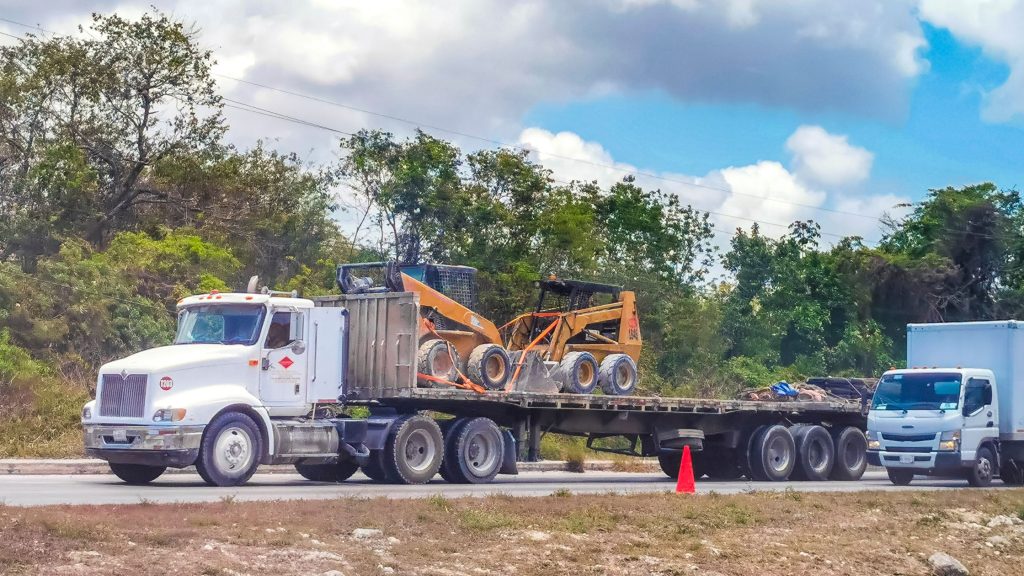
Common scenarios include backing incidents involving dump trucks or concrete mixers, collisions between jobsite vehicles and public traffic, struck-by events involving pedestrians or laborers, and forklift or telehandler accidents in warehouse or staging areas. Each situation raises different questions about visibility, right-of-way, supervision, and hazard control.
These cases often require close coordination with other technical disciplines. For example, incidents involving loaders, excavators, or haul trucks may benefit from broader context provided by heavy equipment litigation support. Understanding how equipment capabilities interact with site layout and safety procedures can be critical to forming a defensible opinion.
From a legal perspective, transportation safety experts help clarify whether safety measures were reasonable for the conditions present, whether known hazards were addressed, and whether deviations from written procedures contributed to the outcome.
Industries and Construction Sectors Where Transportation Safety Issues Arise
Transportation safety risks are not the same across all construction sectors. In heavy civil and infrastructure projects, hazards often involve haul roads, earthmoving operations, and work conducted adjacent to live traffic. Temporary traffic control and internal vehicle routing become central issues.
Underground construction introduces its own challenges. Confined spaces, limited visibility, and restricted access points can increase the risk of vehicle and equipment incidents. In these environments, communication protocols, spotter use, and sequencing of operations are often scrutinized closely.
Utility, electrical, and telecommunications projects add another layer of complexity. Crews may work along public rights-of-way, in narrow corridors, or in rapidly changing conditions. Fiber optic, cable TV, and electrical installations often involve repeated mobilization and demobilization, increasing exposure to transportation-related hazards.
When disputes extend into workforce practices or operational efficiency, attorneys may also look to complementary analysis such as transportation and warehouse labor analysis. This broader context can help explain how staffing, scheduling, and procedures influence safety outcomes.
What Transportation Safety Expert Witnesses Analyze
Transportation safety analysis in construction is rarely limited to a single factor. Expert witnesses typically begin by reviewing physical evidence and documentation, including incident reports, photographs, vehicle specifications, maintenance logs, training records, and safety policies.
From there, the focus expands to the overall safety system. Was there a traffic control plan, and was it appropriate for the work being performed? Were workers trained on site-specific hazards? Were supervisors enforcing procedures consistently? These questions help establish whether the incident was an isolated error or the result of broader systemic issues.

Regulatory and industry standards also play a significant role. Depending on the facts, analysis may involve OSHA requirements, DOT-related guidance, and widely accepted construction safety practices. The expert’s responsibility is to explain how those standards apply to the specific conditions present at the time of the incident.
Ultimately, the expert must translate technical findings into clear conclusions. A strong report tells a coherent story that aligns evidence, standards, and professional judgment in a way that can withstand deposition and trial scrutiny.
Qualifications That Matter in a Transportation Safety Expert Witness
Not all credentials carry the same weight in construction litigation. While formal education and certifications are important, practical experience in construction and transportation environments is often what makes an expert effective.
Attorneys should look for experts who understand how work actually gets done on jobsites. That includes recognizing time pressures, coordination challenges, and the realities of managing multiple contractors. An expert who has operated within these environments is better positioned to assess what was reasonable under the circumstances.
Litigation experience is equally important. The ability to write clear reports, respond confidently in depositions, and explain complex issues to judges and juries is not universal. Experts with experience in mediation, arbitration, and trial tend to be more effective communicators under pressure.
Alignment with the project sector also matters. Whether the case involves civil, heavy, underground, utility, or telecommunications construction, familiarity with that specific context strengthens the credibility of the analysis.
How Transportation Safety Expert Witnesses Support Construction Litigation
Transportation safety expert witnesses often provide value long before testimony. Early case involvement can help attorneys evaluate strengths and weaknesses, identify missing documentation, and refine liability theories.
As cases move forward, expert reports and testimony help frame technical issues in understandable terms. This is especially useful when opposing parties present conflicting interpretations of safety responsibilities or procedures.
In formal proceedings, performance matters. Depositions, mediation sessions, arbitration hearings, and trials each demand a different communication style. Attorneys preparing for these stages may benefit from reviewing related services such as transportation and warehouse deposition, mediation, arbitration, and trial support.
For cases centered on jobsite transportation and warehouse operations, Discovery Experts offers focused transportation and warehouse expert witness services designed to address these issues directly.
Conclusion: Choosing the Right Expert for Construction Transportation Disputes
Transportation incidents in construction are rarely the result of a single mistake. They emerge from a combination of planning decisions, operational practices, and safety controls that must work together in challenging environments.
A qualified transportation safety expert witness helps untangle that complexity. By grounding opinions in evidence, standards, and real-world experience, the expert can clarify causation, address responsibility, and support informed resolution.
If you are considering expert support for a construction-related transportation dispute, contact Discovery Experts to discuss your case and determine the most effective expert witness approach for your needs.
