
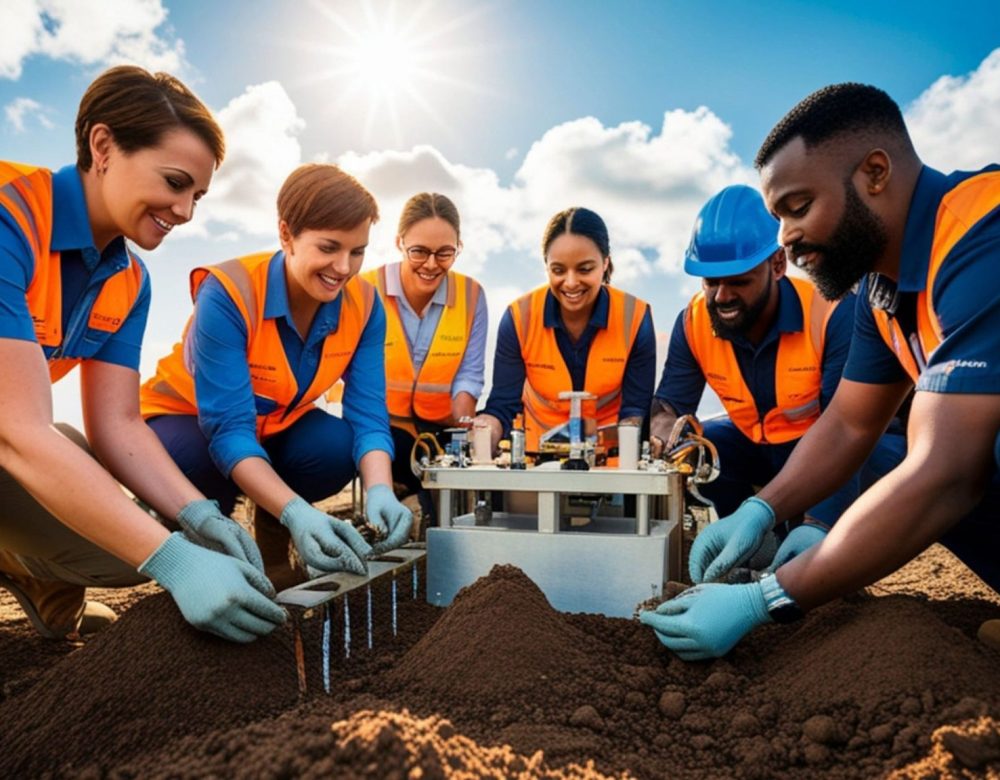
Geotechnical engineering in construction deals with what many people never see but what ultimately controls whether a project succeeds or struggles: the ground. Soil, rock, and groundwater conditions influence how a project is designed, how it is built, and how it performs over time. When those conditions are misunderstood or underestimated, the consequences can range from minor delays to major structural failures and legal disputes.
In practice, geotechnical engineering sits at the intersection of engineering judgment, field investigation, and construction reality. It informs decisions that affect safety, cost, schedule, and long-term durability. It is also a frequent source of claims when actual conditions do not match expectations. For owners, contractors, and legal teams alike, understanding what geotechnical engineering involves is essential for managing risk and resolving disputes effectively.
What Is Geotechnical Engineering in Construction?
Geotechnical engineering is a specialized branch of civil engineering focused on how earth materials behave under load and over time. In construction, it translates subsurface information into practical guidance for foundations, excavations, slopes, earth retention systems, and groundwater control. Unlike visible structural elements, geotechnical conditions are inherently variable and cannot be fully observed before construction begins.
This uncertainty is why geotechnical engineering plays such a critical role early in a project. Through site investigations and analysis, geotechnical engineers develop an understanding of soil strength, compressibility, permeability, and rock characteristics. They then provide recommendations that help designers and builders select appropriate systems and anticipate potential challenges.
At its core, geotechnical engineering connects what is underground to what is built above and within it. When that connection is clear and well-documented, projects are more predictable. When it is not, disputes often follow.
What Does a Geotechnical Engineer Do on a Construction Project?
A construction geotechnical engineer typically begins with a site investigation. This may involve drilling borings, excavating test pits, collecting samples, and performing laboratory tests. The purpose is to identify subsurface layers, groundwater conditions, and potential hazards that could affect construction. While no investigation can eliminate all uncertainty, the goal is to reduce unknowns to a manageable level.
Based on these findings, the geotechnical engineer develops recommendations for design and construction. These can include foundation types and capacities, excavation support concepts, earthwork procedures, and groundwater management strategies. These recommendations often shape construction means and methods, even if they are not always recognized as such.
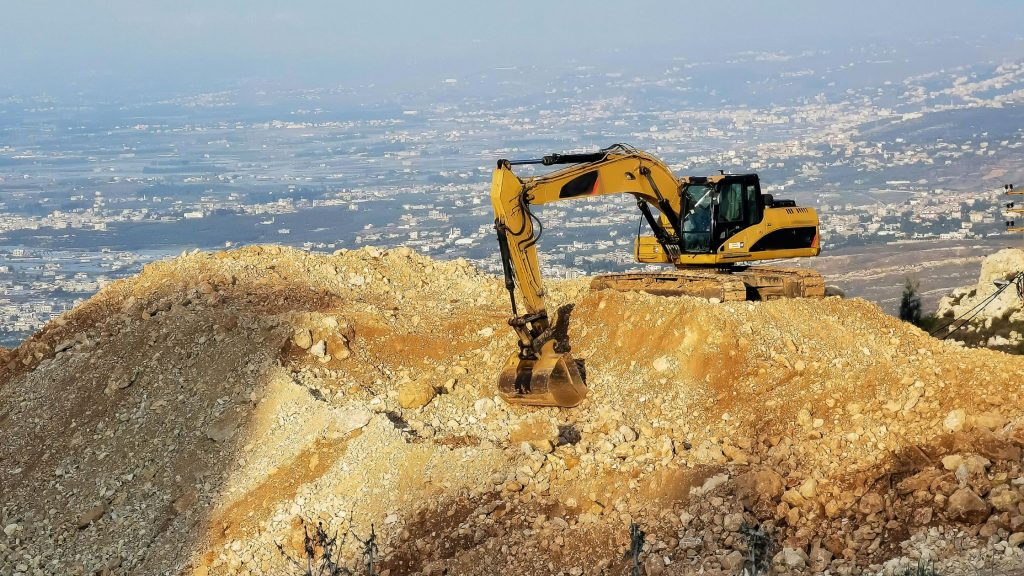
During construction, geotechnical engineers may remain involved to observe conditions, review changes, and respond when actual conditions differ from what was anticipated. For example, what happens when groundwater appears higher than expected, or when soils encountered in a trench are weaker than indicated? In these moments, geotechnical judgment becomes critical.
This role is especially important in underground and utility-focused work, such as cable TV, telecommunications, fiber optic installations, electric and gas utilities, water and sewer systems, and drainage infrastructure. In these settings, trench stability, groundwater control, and interaction with adjacent facilities can quickly become major issues if subsurface behavior is not well understood.
Why Geotechnical Engineering Is Critical to Construction Success
Subsurface conditions influence nearly every aspect of construction. They affect how easily materials can be excavated, how stable an excavation remains, and how structures transfer loads to the ground. Poorly understood soil conditions can lead to excessive settlement, unexpected dewatering requirements, or the need for redesign during construction.
From a risk perspective, geotechnical engineering often sets the baseline assumptions for bidding and planning. Contractors rely on geotechnical information to estimate productivity, equipment needs, and temporary works. When that information proves incomplete or misleading, cost and schedule impacts are difficult to avoid.
Well-executed geotechnical engineering services help establish realistic expectations. They do not eliminate risk, but they clarify it. Clear documentation of subsurface conditions and assumptions can also play an important role later if disagreements arise over responsibility for changed conditions or extra work.
Common Geotechnical Issues and Failures in Construction Projects
Many construction disputes tied to geotechnical engineering begin with differing site conditions. These occur when the ground encountered during construction does not match what was reasonably indicated in contract documents or reports. Differences may involve soil type, rock depth, obstructions, groundwater levels, or unsuitable materials.
Settlement, heave, and slope instability are also common sources of problems. Settlement can damage foundations, pavements, and buried utilities. Expansive soils may cause heave that distorts slabs or structures. Excavation failures, particularly in trenches, can create safety hazards and lead to work stoppages, redesign, or damage to nearby facilities.
Groundwater is another frequent driver of claims. Unanticipated inflows can cause erosion, loss of ground, and instability. Dewatering systems that are improperly designed or implemented may lead to off-site impacts, including settlement or damage to adjacent properties. These issues often require detailed forensic analysis to understand what happened and why.
Geotechnical Engineering, Claims, and Construction Disputes
When geotechnical issues become disputes, the questions are rarely simple. What conditions were represented before construction? What conditions were actually encountered? And how did those conditions affect cost, schedule, and performance? Answering these questions requires careful comparison of reports, field records, photographs, monitoring data, and construction practices.
Differing site conditions claims are particularly common in heavy civil and underground projects, where productivity and safety depend on predictable ground behavior. In these cases, geotechnical analysis often provides the technical foundation for determining whether impacts were foreseeable or truly changed.
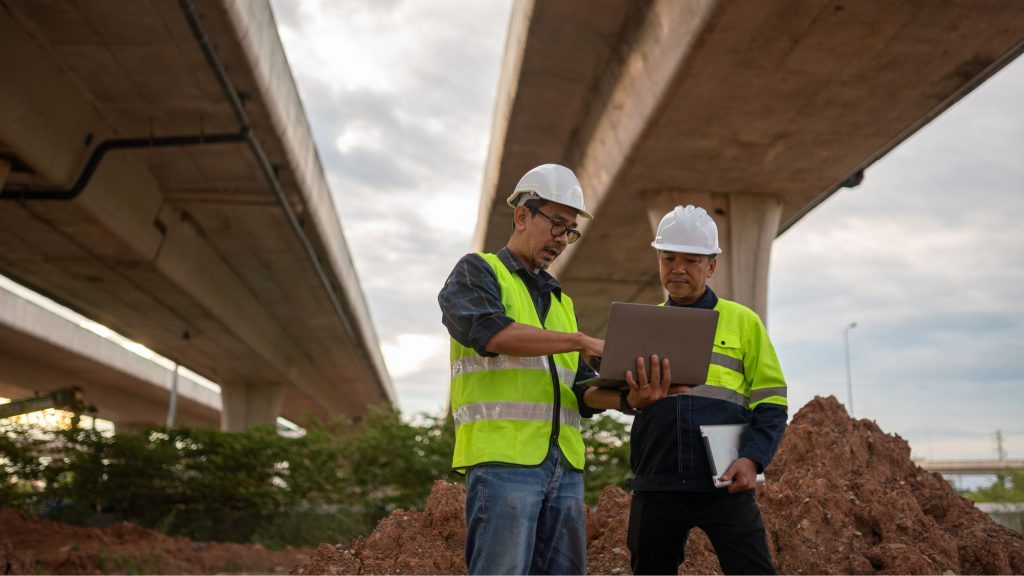
Technical findings alone are not enough. They must be connected to commercial impacts. For example, additional shoring, dewatering, or ground improvement may be technically justified, but the dispute often turns on whether those measures were caused by changed conditions, design decisions, or construction execution.
For underground infrastructure projects, this type of analysis is often part of a broader review. A focused trenchless construction case review can help organize the technical and contractual record, identify key assumptions, and clarify where subsurface conditions influenced outcomes.
When Geotechnical Expertise Becomes Critical for Litigation and Expert Testimony
In litigation, geotechnical expertise is often needed to reconstruct events and explain them clearly. A geotechnical expert may evaluate whether investigations met the standard of care, whether recommendations were appropriate, or whether construction practices contributed to failure. Clear explanation of soil behavior and groundwater effects is often essential for judges, arbitrators, and juries.
Geotechnical opinions frequently intersect with cost and schedule analysis. Claims involving productivity loss, extra work, or delay often require integration of technical causation with financial documentation. In underground work, this integration may include trenchless construction cost analysis and accounting to connect subsurface drivers to claimed damages.
Many matters also benefit from a broader construction perspective. When geotechnical issues overlap with sequencing, equipment usage, or labor impacts, support from experienced construction expert witness services can help align technical findings with dispute resolution requirements.
Conclusion
Geotechnical engineering in construction is about managing uncertainty in the ground and understanding how that uncertainty affects real-world projects. From site investigation to construction support, geotechnical engineers influence decisions that shape safety, cost, and schedule. When subsurface conditions do not behave as expected, the technical and financial consequences can be significant.
Whether the issue involves unexpected soil conditions, groundwater challenges, or alleged failures, resolving geotechnical disputes requires careful analysis and clear communication. If you need support evaluating subsurface conditions, construction methods, causation, or related impacts, a structured and experienced approach is essential. To discuss your matter and explore next steps, contact Discovery Experts.
