
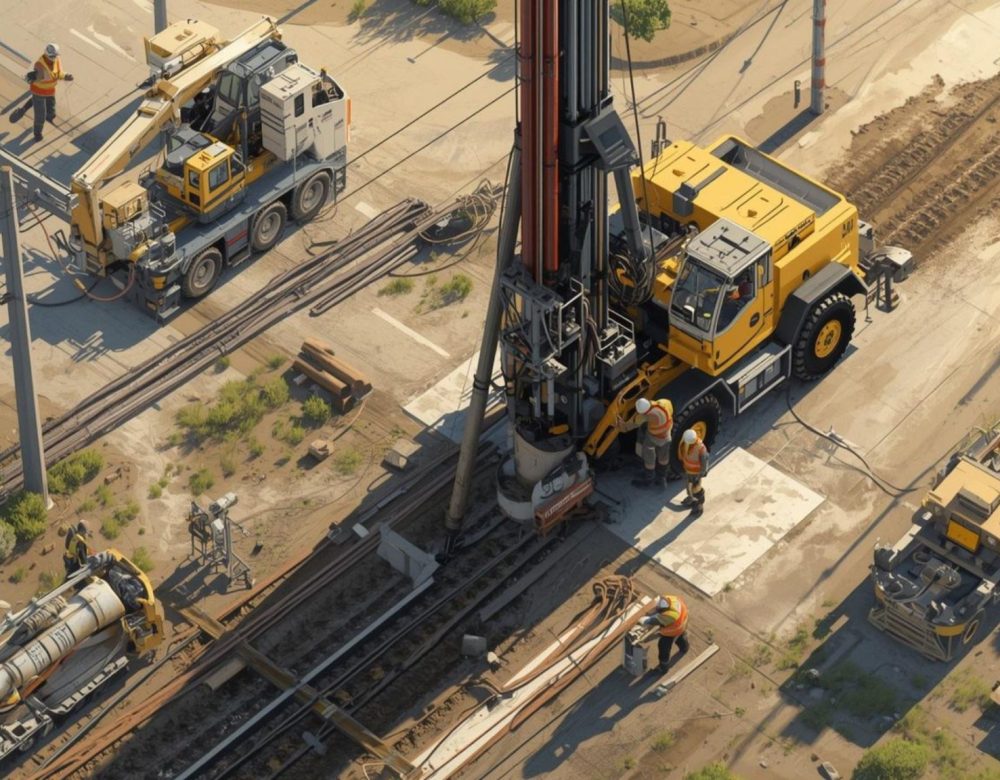
At first glance, trenchless construction sounds simple. Install utilities underground with minimal surface disruption. Fewer open trenches. Less traffic impact. Faster completion. But anyone who has spent time around horizontal drilling rigs, microtunneling shafts, or pipe bursting crews knows the reality is far more complex.
Understanding trenchless construction methods is not just about knowing the names of different techniques. It is about recognizing how subsurface conditions, equipment capabilities, operator decisions, and project documentation interact. When something goes wrong underground, the physical evidence is often limited. The technical explanation becomes the case.
For attorneys, insurers, contractors, and project owners, trenchless disputes frequently center on a handful of difficult questions. What method was selected, and was it appropriate for the conditions? Were subsurface risks adequately investigated? Did field decisions meet industry standards? And perhaps most importantly, what actually caused the damage, delay, or cost overrun?
This article explores the practical side of trenchless construction, where engineering reality meets construction litigation.
What Is Trenchless Construction and Why It Matters
Trenchless construction refers to underground installation or rehabilitation methods that reduce the need for continuous open excavation. Instead of digging a trench from point A to point B, contractors use specialized equipment to drill, bore, or replace utilities below the surface.
These methods are commonly used for water lines, sewer systems, gas mains, fiber optics, electrical conduit, and other underground utility installation projects. In developed areas, trenchless techniques can avoid tearing up roadways, rail corridors, landscaped properties, and environmentally sensitive zones. From a public relations and logistical standpoint, the benefits are obvious.
But beneath the surface lies uncertainty. Soil composition can vary dramatically within short distances. Groundwater may behave unpredictably. Existing utilities may not be located precisely where records indicate. Small deviations in alignment can have significant consequences.
This is where understanding trenchless construction methods becomes critical. When projects proceed smoothly, the technical complexity stays in the background. When they do not, every decision made before and during construction is scrutinized. Method selection, geotechnical interpretation, drilling logs, and daily reports can quickly become central pieces of evidence.
In litigation settings, these projects rarely fail for a single reason. More often, disputes arise from a combination of:
- Incomplete subsurface investigation
- Inaccurate or insufficient utility locating
- Improper equipment selection
- Field execution errors
- Documentation gaps
Understanding how these factors interact within specific trenchless methods is essential for meaningful case evaluation.
Major Trenchless Construction Methods Explained
Not all trenchless work is the same. Each method carries unique technical considerations, tolerances, and risk profiles. When evaluating a dispute, it is rarely enough to say a project was “trenchless.” The details matter.
Horizontal Directional Drilling (HDD)
Horizontal directional drilling, commonly referred to as HDD, is one of the most widely used trenchless methods. It involves drilling a pilot hole along a designed path, enlarging that hole through reaming, and then pulling the product pipe or conduit back through the bore.
HDD is particularly useful for road crossings, river crossings, and long utility installations. However, it depends heavily on accurate tracking, steering control, and drilling fluid management.
Common dispute issues in HDD projects include:
- Utility strikes resulting from bore path misalignment
- Bore path deviation leading to insufficient cover or easement encroachment
- Inadvertent returns of drilling fluid to the surface
- Stuck pipe or tooling failures
In many cases, the technical debate centers on whether the contractor responded reasonably to field conditions. Were tracking anomalies investigated? Were adjustments made appropriately? These questions require familiarity with how HDD operations actually unfold in real time.
Microtunneling
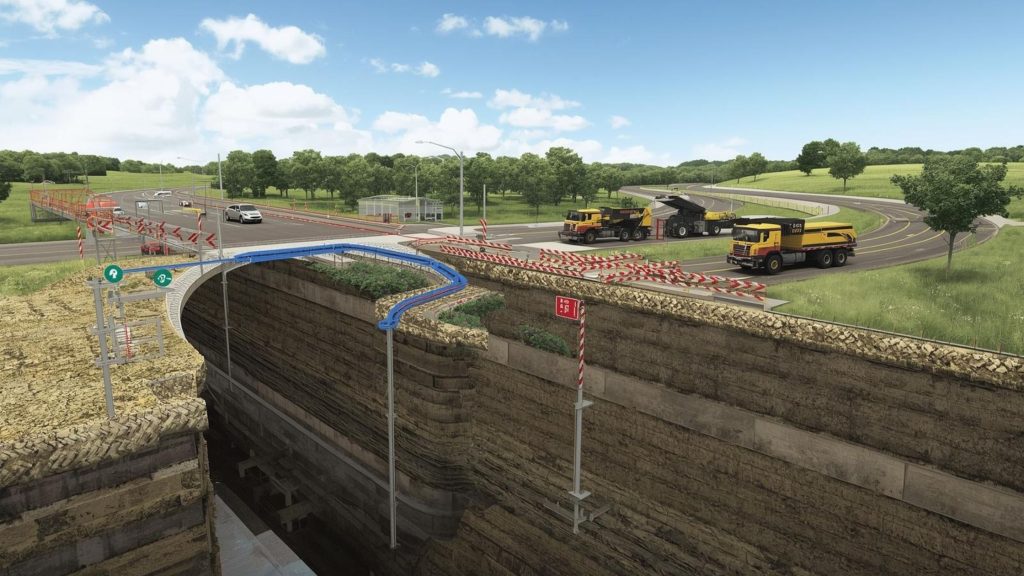
Microtunneling is a remote-controlled, guided boring method often used when precise line and grade are critical, such as gravity sewer installations. The system typically operates between shafts and uses slurry to remove excavated material.
While microtunneling offers high alignment accuracy, it introduces different challenges. Shaft construction, groundwater control, jacking forces, lubrication systems, and ground loss all become potential sources of risk.
Disputes may involve settlement claims, adjacent structure impacts, or delays caused by unexpected soil conditions. Evaluating these claims requires an understanding of how microtunneling equipment interacts with varying ground profiles and how monitoring data should be interpreted.
Pipe Bursting, Auger Boring, and Rehabilitation Methods
Pipe bursting replaces an existing pipeline by fracturing it outward while simultaneously pulling in a new pipe. It is efficient in many rehabilitation scenarios but can increase the risk of ground movement if not properly evaluated.
Auger boring is commonly used for shorter, straight installations beneath obstacles. Sliplining involves inserting a new liner within an existing pipe. Each method carries its own limitations and performance expectations.
In disputes, the core question is often whether the selected method was appropriate for the known conditions. Method selection is not just a technical decision. It can define the entire risk profile of the project.
Common Failures, Risks, and Liability in Trenchless Projects
When trenchless projects fail, the failure is rarely visible at the surface. That invisibility often complicates liability analysis. Without excavation or detailed records, reconstructing events can be challenging.
Utility strikes are among the most high-profile trenchless incidents. Determining responsibility involves reviewing locate documentation, potholing practices, drill head tracking data, and the sequence of operations. Was the strike due to inaccurate locates, improper steering, or unexpected utility placement? Each scenario points toward different liability conclusions.
Bore path deviation can also generate significant disputes. If the installed alignment differs materially from design intent, consequences may include reduced cover, encroachment beyond easements, or conflicts with other infrastructure. Evaluating deviation requires comparing planned alignment with as-built data and understanding acceptable tolerances within industry practice.
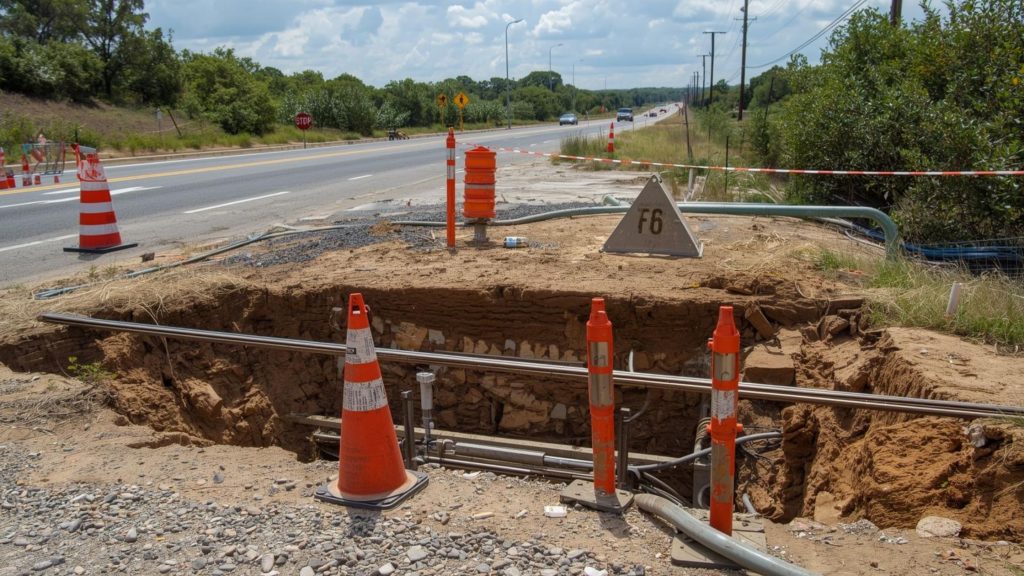
Ground movement presents another layer of complexity. Settlement or heave can damage pavement, foundations, or adjacent utilities. In these cases, technical analysis often examines soil type, drilling fluid pressures, equipment operation, and sequencing. Was the movement foreseeable? Was mitigation feasible? These are not simple questions.
Finally, trenchless projects frequently experience construction delays and cost overruns when subsurface conditions differ from expectations. Productivity assumptions may prove unrealistic. Equipment can become immobilized. Additional mitigation measures may be required. Disputes often hinge on whether the impacts were foreseeable and how responsibility should be allocated.
How Trenchless Construction Case Review Supports Dispute Resolution
When disputes arise, clarity is valuable. A structured trenchless construction case review provides a systematic evaluation of method selection, execution, documentation, and alleged impacts.
This process typically involves reviewing plans and specifications, geotechnical reports, drilling logs, daily reports, RFIs, change orders, and as-built drawings. For HDD projects, tracking data and fluid management records can be especially important. For microtunneling projects, jacking force logs and settlement monitoring data often play a central role.
The objective is not to advocate prematurely but to understand what the records actually support. What was known before construction began? How were unexpected conditions handled? Do the alleged damages align technically with the sequence of events?
Additional information about trenchless-focused services is available on the trenchless construction litigation expertise page, which outlines how technical analysis integrates with broader dispute support.
Best Practices to Reduce Risk in Trenchless Construction
While trenchless methods inherently involve subsurface uncertainty, many disputes can be minimized through disciplined planning and execution. The most effective practices are often practical rather than dramatic.
Thorough pre-construction investigation remains one of the strongest risk controls. This includes reviewing existing utility records, verifying locations through potholing when appropriate, and realistically evaluating geotechnical information. Assumptions should be tested, not merely accepted.
Appropriate equipment and experienced operators are equally important. Tooling should match soil conditions. Crews should be prepared to respond to anomalies such as pressure fluctuations or unexpected obstructions. Decisions made in the field can significantly influence outcomes.
Clear documentation is often overlooked until a dispute arises. Accurate daily reporting, tracking records, and change documentation help establish what occurred and why. In litigation, well-maintained records can be the difference between speculation and defensible analysis.
Why Technical Understanding Is Critical in Construction Litigation
In mediation, arbitration, or trial, complex trenchless operations must be explained in a clear and understandable manner. A qualified trenchless construction expert witness can translate field realities into objective opinions grounded in documentation and industry standards.
Without a solid grasp of the method involved, parties may focus on surface symptoms rather than underlying causes. Was a utility strike inevitable given the data? Did the contractor adhere to reasonable industry practices? Were delays driven by unforeseeable ground conditions or by controllable operational decisions?
Understanding trenchless construction methods allows these questions to be answered with technical precision. It connects field operations to contract obligations, schedule impacts, and damage claims. In complex infrastructure disputes, that connection is essential.
Conclusion: Taking the Next Step
Trenchless construction offers substantial advantages, but it also concentrates risk in places that are not easily observed. When disputes arise, surface-level explanations are rarely sufficient. Technical understanding becomes the foundation of credible analysis.
If you are evaluating a trenchless claim, preparing for deposition, or assessing potential exposure in a utility-related dispute, informed analysis can clarify both risk and opportunity.
For experienced, objective support in trenchless construction matters, Contact Discovery Experts to discuss your case and explore next steps.
